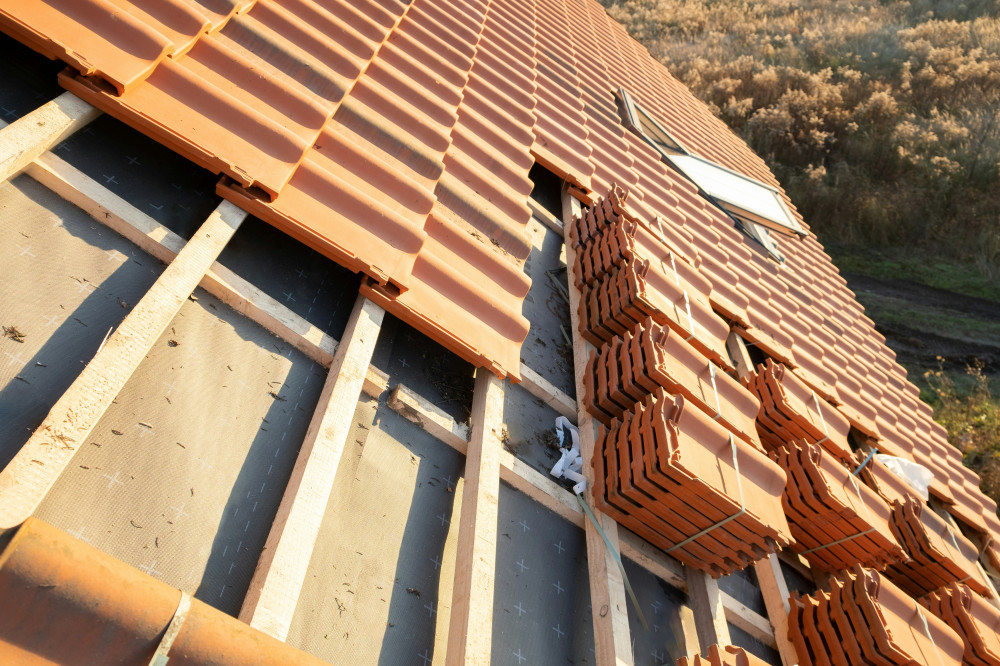
The Eternit Roof – A Piece of Danish Building History and Housing Culture

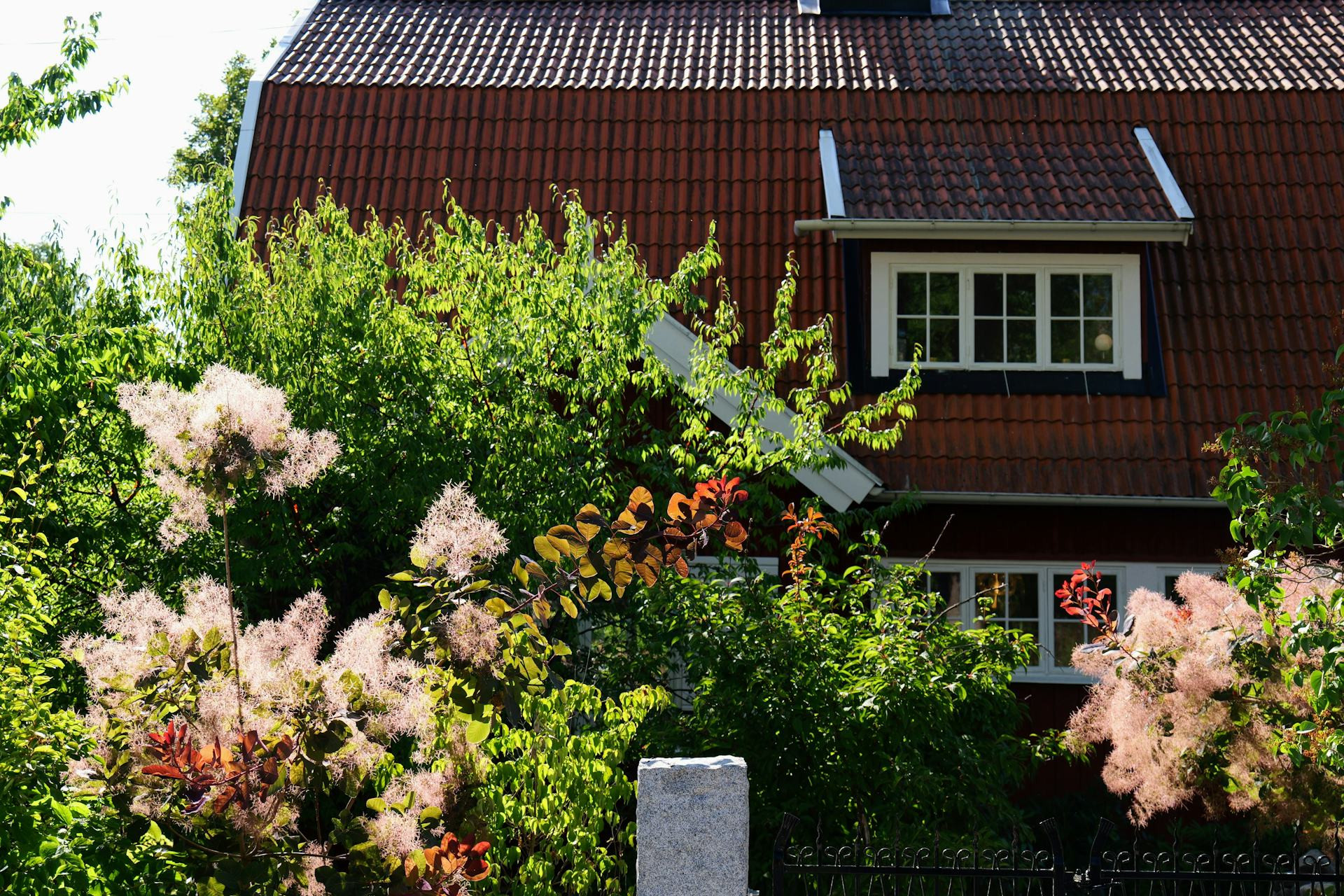
The Eternit Roof – A Piece of Danish Building History and Housing Culture
For anyone traveling through Denmark, the sight of gray, gently curved roofs is almost unavoidable. From suburban neighborhoods and seaside cottages to barns and industrial buildings, the so-called Eternit roof has been a defining feature of the Danish landscape for more than a century. Behind its modest appearance lies a story of innovation, modern ideals, and the changing relationship between technology, architecture, and everyday life.
From Cement and Asbestos to Everyday Danish Homes
Eternit was invented in the late 19th century by Austrian engineer Ludwig Hatschek, who discovered that mixing cement with asbestos fibers produced a strong, lightweight, and fire-resistant material. The name “Eternit” comes from the Latin aeternitas, meaning “eternity,” reflecting the promise of a material that would last forever.
In Denmark, production began in the 1920s, when the company Dansk Eternit-Fabrik in Aalborg started manufacturing the material on a large scale. It quickly became known as the building material of the future—affordable, durable, and easy to install. After World War II, when Denmark faced a housing shortage and needed to build quickly and economically, Eternit was the perfect solution. It fit the modernist ideals of the time: functional, rational, and accessible to all.
By the 1950s and 60s, Eternit roofs had become standard on many single-family homes, and in the agricultural sector, they were almost synonymous with progress and modernization.
The Everyday Hero of Danish Architecture
Eternit was not just a practical choice—it also became part of Denmark’s architectural identity. The wavy gray sheets gave buildings a calm, uniform look that matched the minimalist aesthetic of mid-century Danish design. Prominent architects such as Arne Jacobsen and Kay Fisker used Eternit in their projects, integrating it naturally into the functionalist style that defined the era.
For decades, the Eternit roof symbolized progress and modern living. It allowed ordinary families to own a solid, low-maintenance home that looked contemporary and forward-thinking. In many ways, it represented the democratization of modern architecture.
The Dark Side of Eternity
However, the promise of “eternity” came with a hidden cost. By the 1970s, it became clear that asbestos—the key ingredient that gave Eternit its strength—posed serious health risks. Inhaling asbestos fibers could lead to severe lung diseases, including cancer. As awareness grew, Denmark banned the use of asbestos in the 1980s, forcing manufacturers to develop new, safer versions of the material.
Modern Eternit, now made from asbestos-free fiber cement, retains the durability and appearance of the original but without the health hazards. Still, the word “Eternit” carries a certain ambivalence in Denmark today—evoking both nostalgia for the optimism of the postwar years and awareness of the lessons learned from industrial overconfidence.
Læs også:

Eternit Today – Tradition Meets Sustainability
Today, Eternit has made a comeback in Danish architecture, though in a new and improved form. The asbestos-free fiber cement sheets are available in a wide range of colors and textures and are used not only for roofing but also for façades and cladding. Architects appreciate the material’s clean lines and longevity, while homeowners value its low maintenance and weather resistance.
Sustainability has also become a key focus. Modern production methods are far more environmentally friendly, and fiber cement can be recycled. In this way, Eternit has found a new role in Denmark’s green transition—linking the country’s architectural past with its sustainable future.
A Piece of Danish Building History
The Eternit roof is more than just a construction material; it is a symbol of Denmark’s journey through industrialization, modernization, and environmental awareness. It tells the story of how technology shaped everyday life—and how society adapted when progress revealed its downsides.
When you see a Danish house with a gray, wavy roof, you’re not just looking at a practical solution to the country’s rainy climate. You’re seeing a piece of cultural history—a reminder of a time when design, function, and faith in the future came together under one roof.
Læs også: