Choose the Right Roof Type for Your Climate – How to Find the Best Solution

Choose the Right Roof Type for Your Climate – How to Find the Best Solution
When choosing a roof for your home, it’s not just about looks or cost. The climate you live in plays a major role in determining which roofing material will be the most durable, energy-efficient, and cost-effective over time. The United States spans a wide range of climates—from humid coastal regions and snowy northern states to dry deserts and hurricane-prone areas—so the right roof in one region may not be ideal in another. Here’s a guide to help you choose the best roof type for your local conditions.
Understand How Climate Affects Your Roof
Your roof is your home’s first line of defense against sun, wind, rain, and snow. Different climates cause different types of wear and tear. In coastal areas, salt and moisture can corrode metal and damage finishes. In northern states, freeze-thaw cycles can crack brittle materials. In hot, sunny regions, UV rays and heat can cause shingles to warp or fade.
Choosing materials that can withstand your local weather is key. You should also consider how your roof affects your home’s energy use. A dark roof can help absorb heat in cold climates, while a light-colored or reflective roof can keep your home cooler in hot areas.
Common Roof Types and Their Strengths
There are many roofing materials available, but some perform better than others depending on the environment. Here’s an overview of popular options:
- Asphalt shingles – Affordable and versatile, asphalt shingles are the most common roofing material in the U.S. They perform well in moderate climates but may degrade faster under extreme heat or constant moisture.
- Metal roofing – Lightweight, durable, and energy-efficient. Metal roofs shed snow easily and reflect sunlight, making them ideal for both snowy northern states and hot southern regions. However, they need proper coatings to resist corrosion in coastal areas.
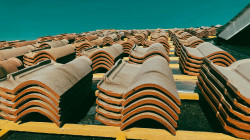
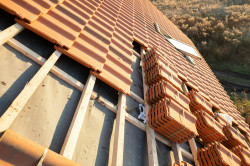
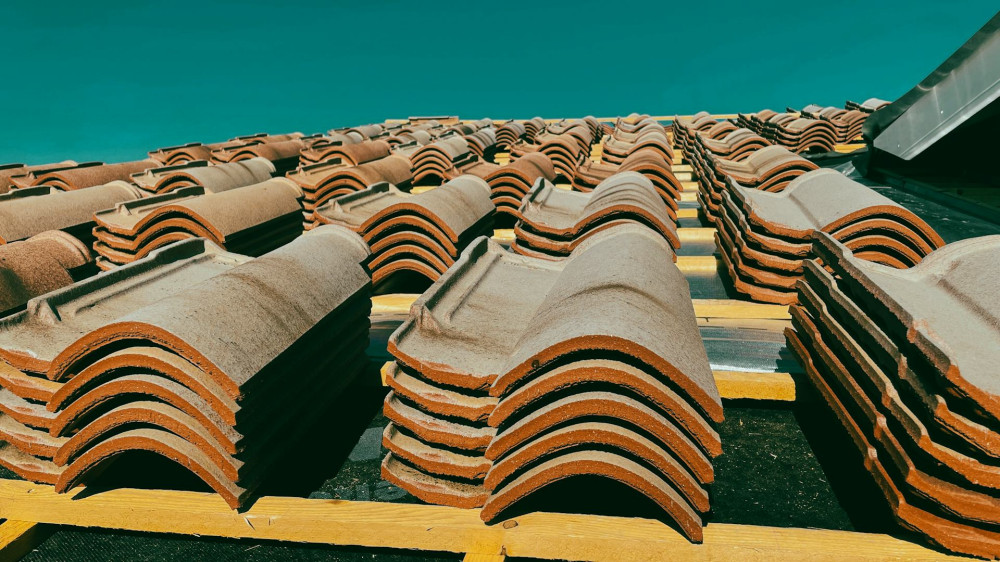
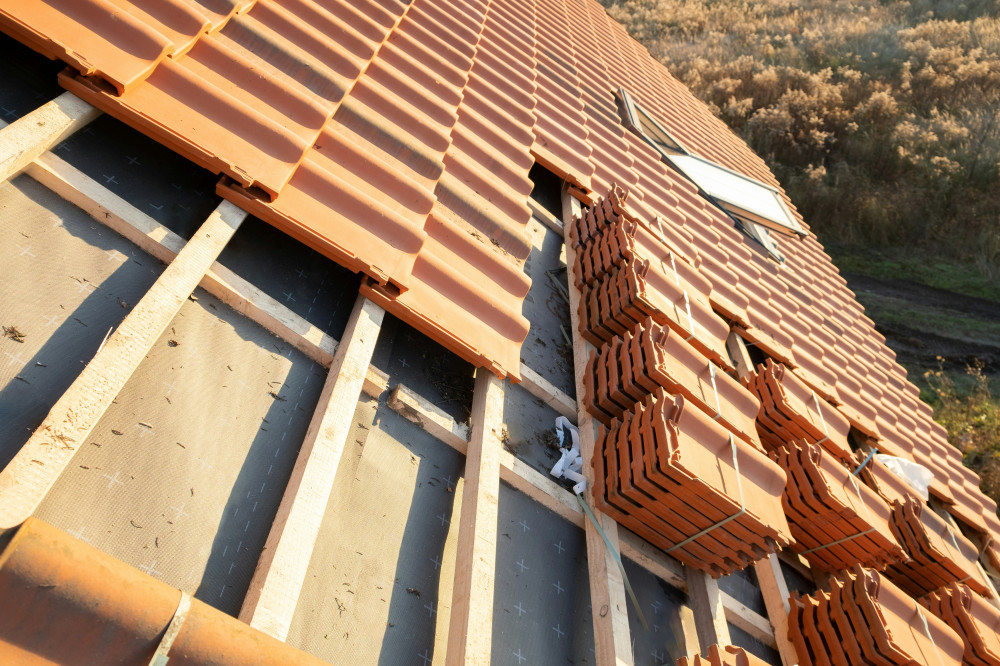
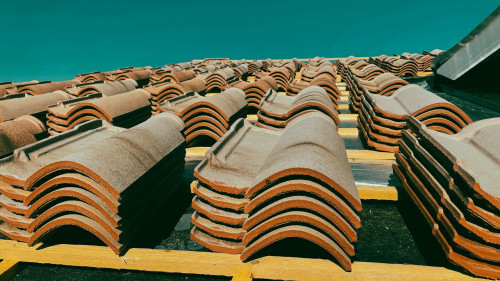
- Clay or concrete tiles – Excellent for hot, dry climates like the Southwest. They resist heat and last for decades but are heavy and require a strong roof structure.
- Slate roofing – Elegant and extremely long-lasting. Slate resists frost, wind, and salt, making it suitable for coastal or northern climates. It’s one of the most expensive options and requires professional installation.
- Wood shingles or shakes – Offer a natural look and good insulation but require regular maintenance. They’re best suited for dry or mild climates, as moisture can lead to rot or mold.
- Synthetic roofing materials – Made from rubber, plastic, or polymer blends, these mimic the look of natural materials while offering improved durability and lower maintenance.
- Green or “living” roofs – Covered with vegetation, these roofs provide excellent insulation and stormwater management. They work best in temperate climates and require a strong structure and proper waterproofing.
Coastal Climates: Salt, Wind, and Moisture
If you live near the ocean—whether on the Atlantic, Pacific, or Gulf Coast—your roof must withstand salt air, humidity, and strong winds. Metal roofs with corrosion-resistant coatings or slate tiles are excellent choices. Avoid untreated steel or low-quality fasteners that can rust quickly. Make sure your roof is securely anchored to resist hurricane-force winds, and choose stainless steel or zinc gutters and fittings for added durability.
Cold and Snowy Climates: Ice, Snow, and Temperature Swings
In northern states and mountain regions, roofs must handle heavy snow loads and freezing temperatures. Metal roofing is ideal because snow slides off easily, reducing the risk of ice dams. Asphalt shingles rated for cold climates or slate tiles also perform well. Avoid flat roofs or materials that can crack under freeze-thaw cycles. A darker roof color can help absorb sunlight and reduce heating costs in winter.
Læs også:

Hot and Sunny Climates: Heat and UV Exposure
In the South and Southwest, roofs face intense sun and high temperatures. Clay or concrete tiles are excellent for these conditions—they reflect heat and resist UV damage. Light-colored metal roofs or cool roof coatings can also help lower indoor temperatures and reduce air-conditioning costs. Avoid dark asphalt shingles, which can absorb too much heat and deteriorate faster.
Storm-Prone Areas: Wind and Rain Resistance
In regions prone to hurricanes or severe storms—such as the Gulf Coast or parts of the Southeast—choose materials with high wind ratings. Metal roofing and impact-resistant asphalt shingles are strong options. Ensure proper installation with hurricane clips and waterproof underlayment to prevent leaks during heavy rain.
Urban and Suburban Areas: Heat and Sustainability
In cities, the “urban heat island” effect can make temperatures several degrees higher than surrounding areas. Cool roofs with reflective coatings or green roofs can help reduce heat buildup and improve air quality. Green roofs also absorb rainwater, easing pressure on stormwater systems. However, they require professional design and maintenance.
Energy Efficiency and Sustainability
No matter where you live, energy efficiency should be part of your roofing decision. Many modern roofs can integrate solar panels or solar shingles, helping you generate renewable energy and lower utility bills. Consider the lifespan and recyclability of materials as well—metal, slate, and clay tiles can last 50 years or more and are often recyclable at the end of their life.
Maintenance – The Key to a Long-Lasting Roof
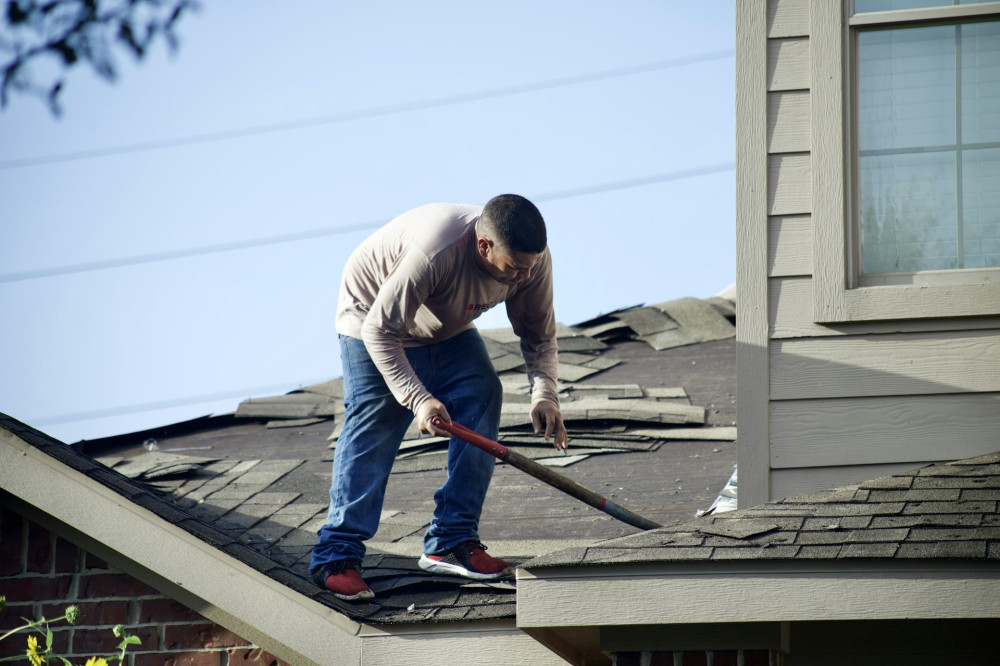
Even the best roof needs regular care. Clean gutters, remove debris, and inspect for loose shingles or flashing after storms. In humid climates, treat for algae or moss growth. Schedule a professional inspection every few years to catch small issues before they become costly repairs.
Find the Best Solution for Your Home
There’s no one-size-fits-all roof. The right choice depends on your local climate, your home’s structure, and your budget. A roof that performs perfectly in Arizona may not suit a home in Maine. Consult a local roofing professional who understands your region’s weather patterns and building codes.
A well-chosen roof not only protects your home—it enhances comfort, improves energy efficiency, and adds lasting value.
Læs også: