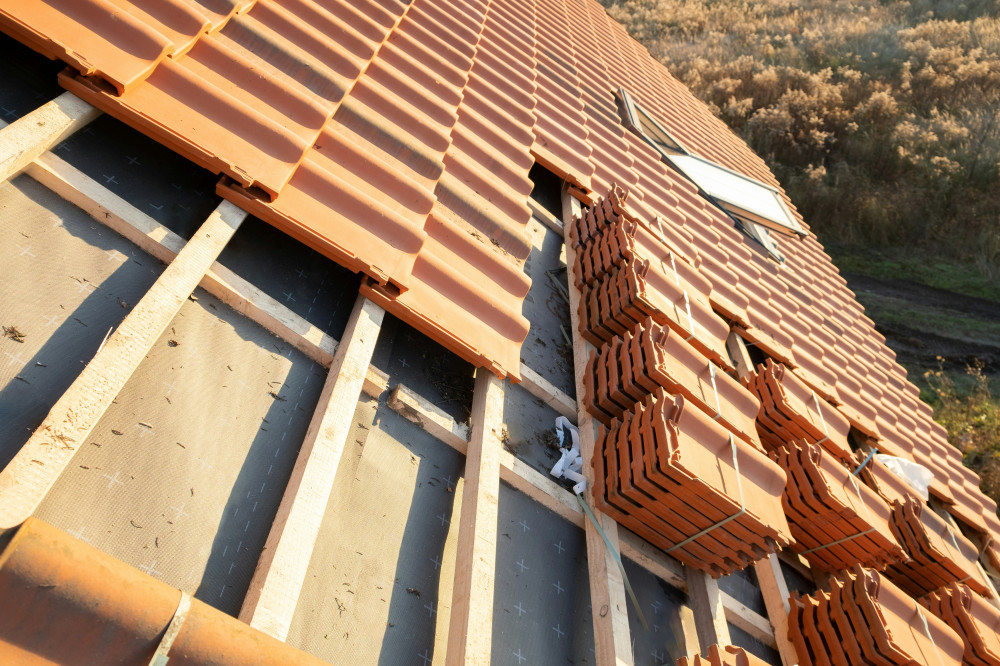
Replacing an Asbestos Roof – How to Preserve Your Home’s Original Look

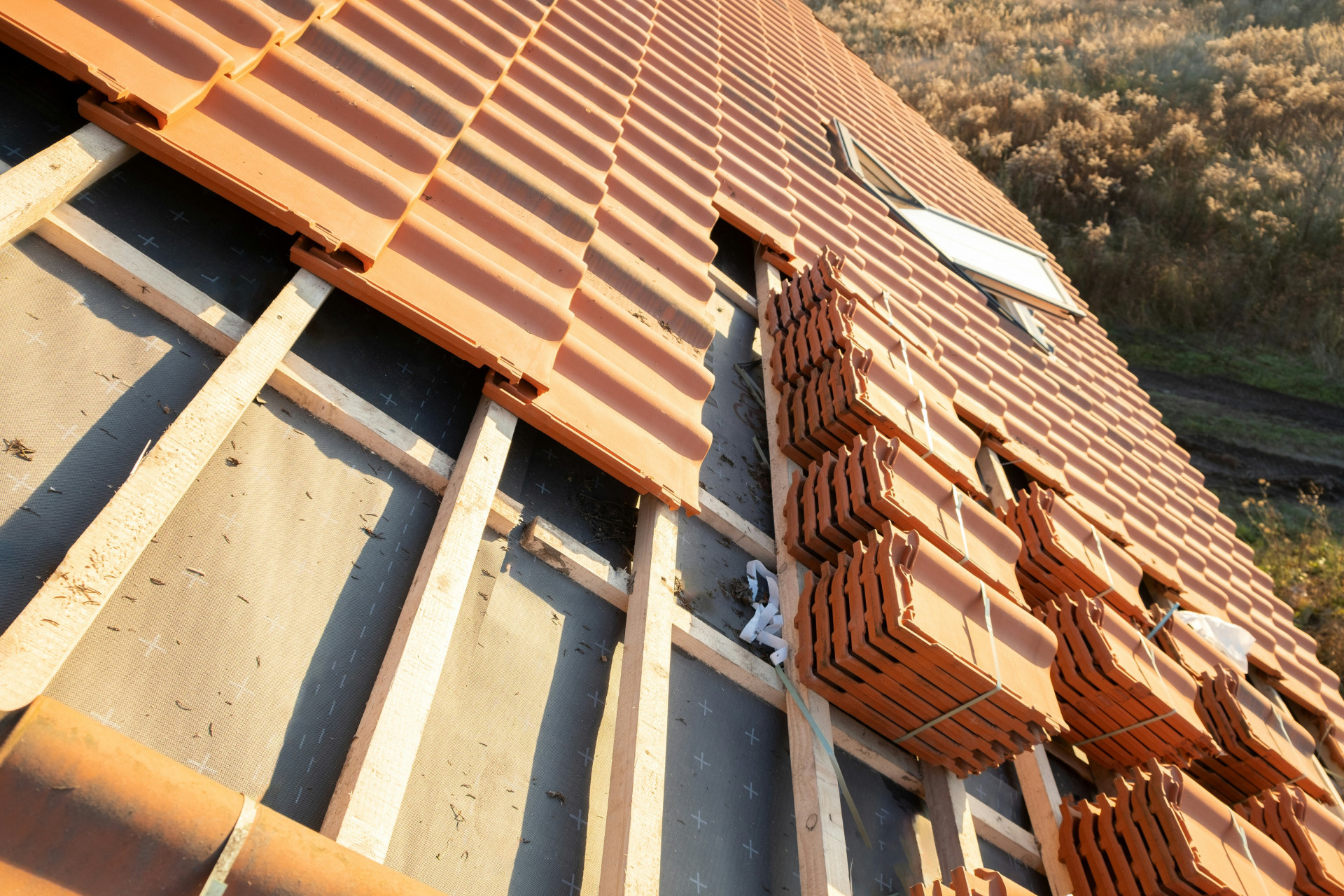
Replacing an Asbestos Roof – How to Preserve Your Home’s Original Look
An asbestos roof can last for decades, but eventually it will need to be replaced—either because the material has deteriorated or because it poses a health risk. When that time comes, many homeowners face a challenge: how to install a new, safe, and durable roof without losing the home’s original character. Here’s a guide to replacing an asbestos roof while keeping your home’s architectural integrity intact.
Know Your Roof – and Your Home’s Style
Before choosing a replacement material, it’s important to understand what kind of roof you have and how it fits the style of your home. Asbestos-cement shingles and corrugated panels were widely used in the U.S. from the 1940s through the 1970s, especially on mid-century ranch homes, farmhouses, and outbuildings. Some were designed to mimic slate or wood shakes, while others had a simple industrial look.
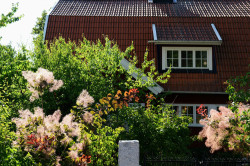
If your home was built in the mid-20th century, the roof may be a key part of its design. Matching the texture, color, and pattern of the original material will help preserve the home’s authentic appearance.
Asbestos – Safety Comes First
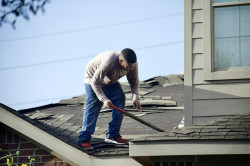
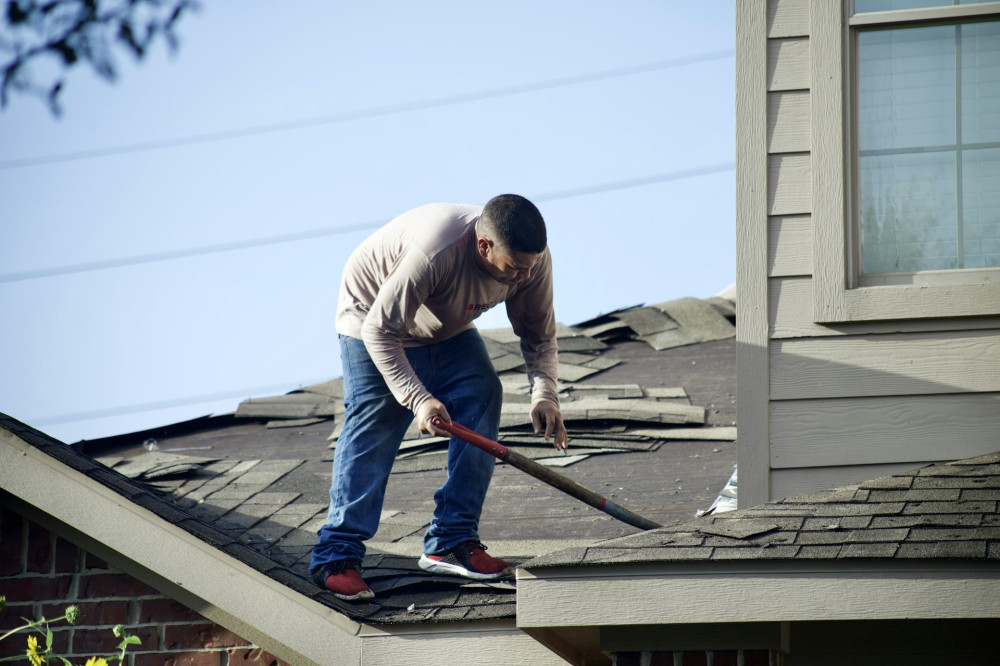
If your roof was installed before the 1980s, assume it contains asbestos until proven otherwise. Do not attempt to remove it yourself. In the United States, asbestos removal must be handled by a licensed abatement contractor who follows federal and state regulations for containment and disposal. Improper handling can release dangerous fibers into the air and contaminate your property.
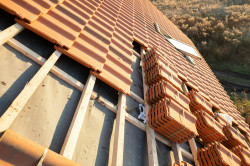
Once the old roof is safely removed, have the underlying structure inspected for moisture damage or rot. This is also a good opportunity to upgrade insulation and ventilation before installing the new roof.
Choosing the Right Replacement Material
Today’s roofing materials offer many options that replicate the look of older asbestos-cement products while meeting modern safety and performance standards. Some of the most popular choices include:
- Fiber-cement shingles (asbestos-free) – These modern versions have the same appearance as the old asbestos-cement shingles but are made with safe, durable fibers. They’re low-maintenance and available in both slate-like and corrugated styles.
- Natural slate – A premium option that provides a timeless, elegant look. Ideal for historic homes or those originally designed with slate roofs.
- Metal roofing – Lightweight, long-lasting, and available in profiles that mimic shingles, tiles, or corrugated panels. A good choice if your roof structure can’t support heavy materials.
- Asphalt shingles – A versatile and cost-effective option that comes in many colors and textures. Some high-end varieties resemble slate or wood shakes.
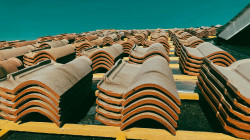
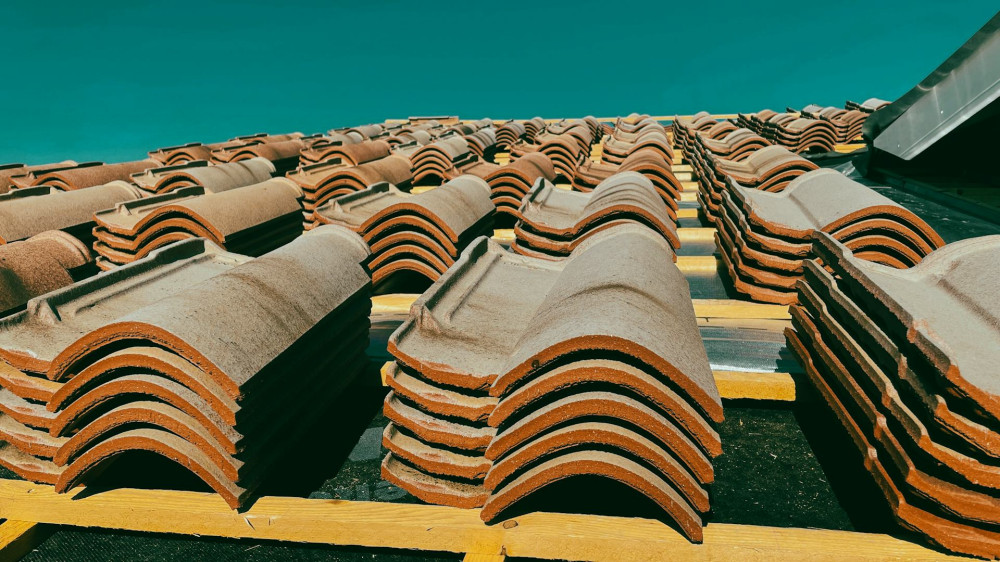
- Clay or concrete tiles – Suitable for homes that originally featured tile roofs, especially in warmer regions. They’re heavy but extremely durable.
When selecting a material, consider your home’s architectural style, local building codes, and your budget. A roof that harmonizes with the home’s proportions and color palette will always look more natural than one that clashes with its design.
Colors and Finishes – Small Details, Big Impact
Traditional asbestos-cement roofs were often gray or muted in tone. To maintain your home’s original look, choose a neutral color such as slate gray, charcoal, or weathered brown. A matte or textured finish will appear more authentic than a glossy one.
Don’t overlook the details—gutters, flashing, and trim materials all contribute to the overall impression. Galvanized steel, aluminum, or zinc finishes tend to complement mid-century and traditional homes, while copper can add a classic touch to older architecture.
Preserve Roof Shape and Proportions
The roofline is one of the most defining features of a home’s architecture. Changing the pitch, overhang, or eave details can alter the entire character of the building. Whenever possible, keep the original roof shape and proportions.
If you want to add more light or space, consider subtle upgrades such as low-profile skylights or dormers that blend with the existing roofline. These can modernize your home’s functionality without compromising its historic charm.
Get Professional Advice
Replacing a roof is a major investment, and professional guidance can make all the difference. Consult a roofing contractor experienced in asbestos abatement and historic preservation, or hire an architect familiar with your home’s style. They can help you choose materials that respect the original design and ensure the work meets safety and building standards.
Always get multiple quotes, verify licenses and insurance, and ask to see examples of similar projects. A well-installed roof can last 40 to 50 years—or longer—so it’s worth doing right the first time.
Læs også:
A New Roof That Honors the Old
Replacing an asbestos roof isn’t just about safety and durability—it’s about preserving your home’s story. By choosing materials, colors, and details that reflect its original design, you can protect both its structure and its soul. The result is a home that’s safer, stronger, and still unmistakably yours.
Læs også: