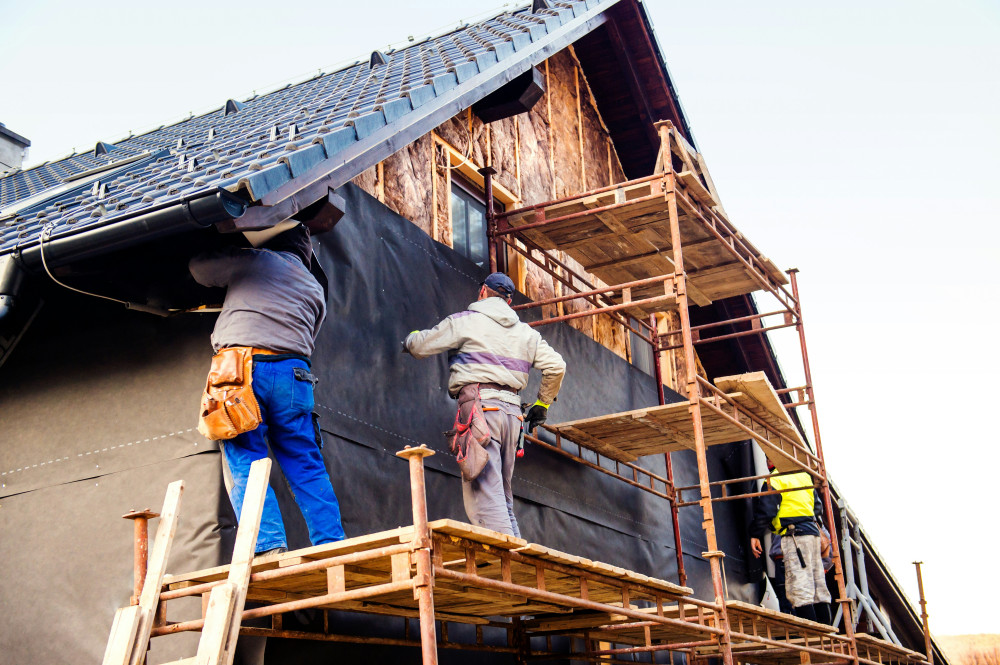
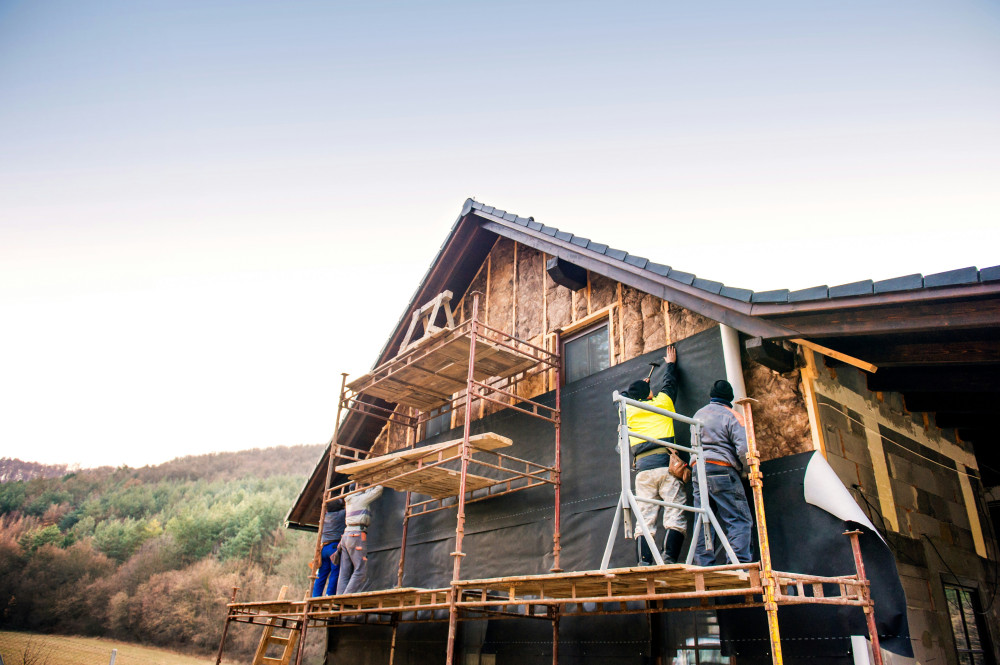
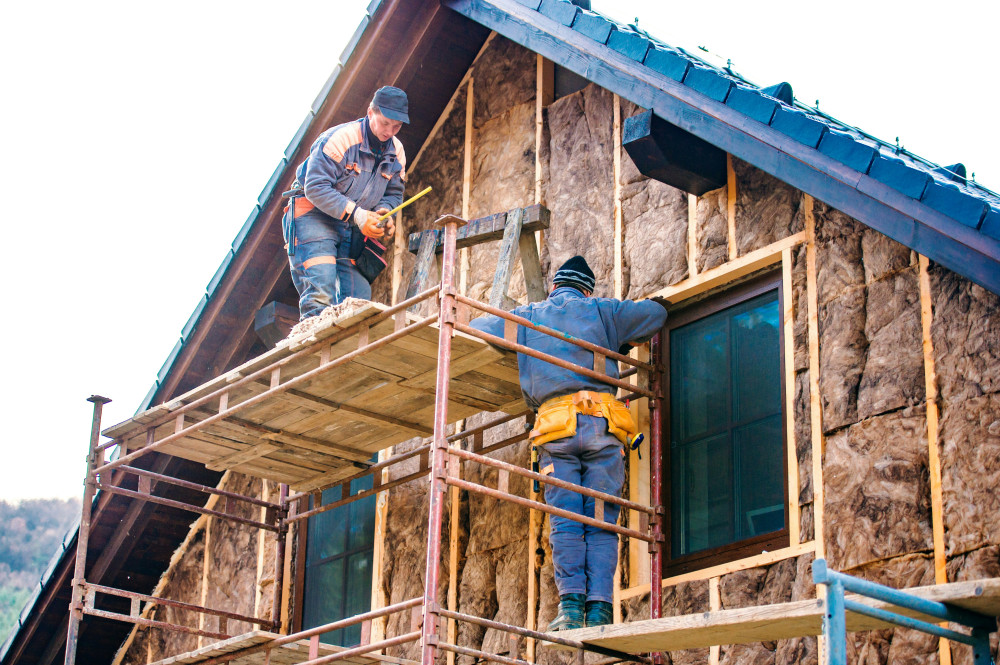
Insulating Tight Spaces – How to Make It Work

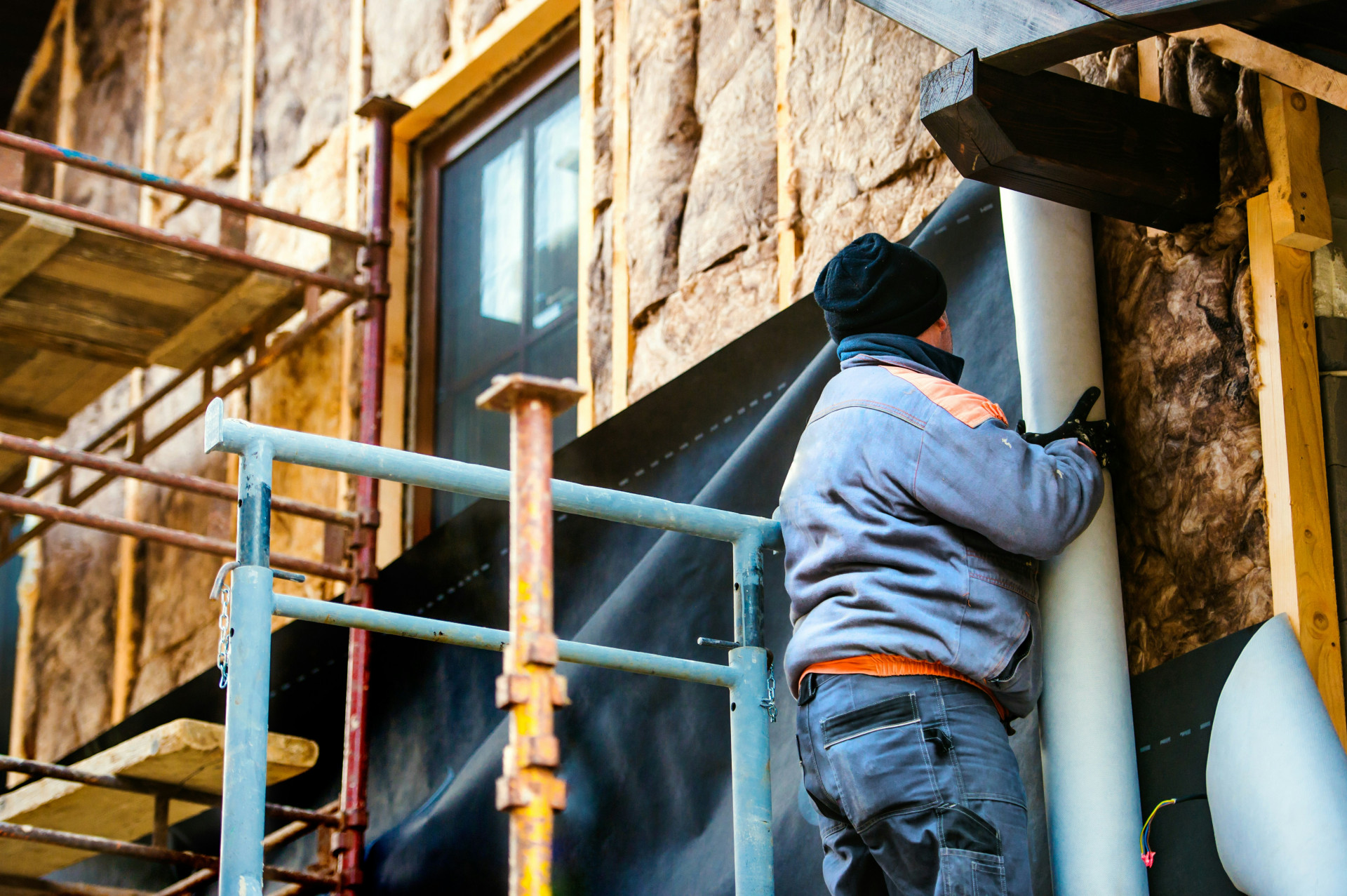
Insulating Tight Spaces – How to Make It Work
Adding insulation is one of the most effective ways to save energy and make your home more comfortable. But what if the space you need to insulate is tight — like a crawl space, attic knee wall, or narrow basement wall? Many homeowners put off the project because it seems too complicated. Fortunately, there are smart solutions that make it possible to insulate even the most hard-to-reach areas. Here’s a practical guide to help you get it done right.
Start by Assessing Space and Needs
Before you begin, take time to understand where insulation will make the biggest difference. In older U.S. homes, attics, crawl spaces, and rim joists are often the main sources of heat loss. Even a few inches of insulation can noticeably improve comfort and reduce energy bills.
Do a thorough inspection:
- Measure the available space so you know how much room you have for insulation.
- Check for moisture, cracks, or air leaks — fix these before insulating.
- Consider combining the project with other upgrades, such as adding a vapor barrier or improving ventilation.
If you’re unsure where to start, a home energy audit can help identify the areas that will give you the best return on investment.
Choose the Right Type of Insulation
When space is limited, the goal is to get the highest R-value possible in the smallest thickness. Here are some of the most effective options:
- Rigid foam boards (PIR, polyiso, or XPS) – Offer high insulation value per inch and are great for walls, crawl spaces, and basement ceilings.
- Spray foam insulation – Expands to fill gaps and provides both insulation and air sealing in one step. Ideal for tight or irregular spaces.
- Blown-in insulation – Cellulose or fiberglass can be blown into cavities without opening up walls or ceilings.
- Aerogel blankets – Extremely thin and flexible, perfect for awkward corners or around pipes, though they can be pricey.
Choose materials based on the space’s conditions — for example, moisture resistance is key in basements and crawl spaces, while fire safety and air sealing matter most in attics.
Working in Tight Spaces
Small or awkward areas require patience and planning. Here are some practical tips:
- Use compact tools and flexible materials. A utility knife, small saw, and a good headlamp can make a big difference.
- Work in sections. Divide the area into manageable zones so you can move around without damaging what you’ve already done.
- Mind ventilation. Tight spaces can trap moisture. Make sure there’s airflow or consider adding a vent fan or dehumidifier.
- Seal all joints. Use tape, caulk, or spray foam around seams and penetrations to prevent air leaks and condensation.
If you’re working in a crawl space or attic, wear protective gear and ensure proper lighting. Insulation materials can irritate skin and lungs, so gloves, goggles, and a mask are essential.
Avoid Common Mistakes
Many DIY insulation projects fail because of small oversights. Watch out for these common pitfalls:
- Skipping the vapor barrier. Without proper moisture control, condensation can lead to mold or rot.
- Compressing insulation. Squeezing insulation reduces its effectiveness — it needs to stay fluffy to trap air.
- Ignoring wiring and plumbing. Keep access to utilities and avoid creating fire hazards.
- Uneven coverage. Gaps or thin spots create cold bridges that reduce overall performance.
If you’re uncertain about the structure or materials, it’s worth having a professional review your plan before you start.
When to Call a Professional
While many insulation projects can be done by handy homeowners, some situations call for expert help — especially if:
- The space is extremely tight or difficult to access.
- There are signs of moisture, mold, or pest damage.
- You’re working near electrical wiring or structural components.
A professional insulation contractor can complete the job faster, more safely, and in compliance with local building codes. They also have access to specialized materials and equipment that can make a big difference in tight spaces.
Læs også:

Small Spaces, Big Impact
Insulating tight spaces takes extra care, but the payoff is worth it. You’ll enjoy a more comfortable home, lower energy bills, and better protection against moisture and drafts. Even a few inches of the right insulation, properly installed, can make a big difference.
With good planning, smart material choices, and careful execution, you can turn even the most cramped corners of your home into an energy-saving success — improving comfort, efficiency, and value all at once.
Læs også: