Building Code Insulation Requirements – How They Benefit the Environment

Building Code Insulation Requirements – How They Benefit the Environment
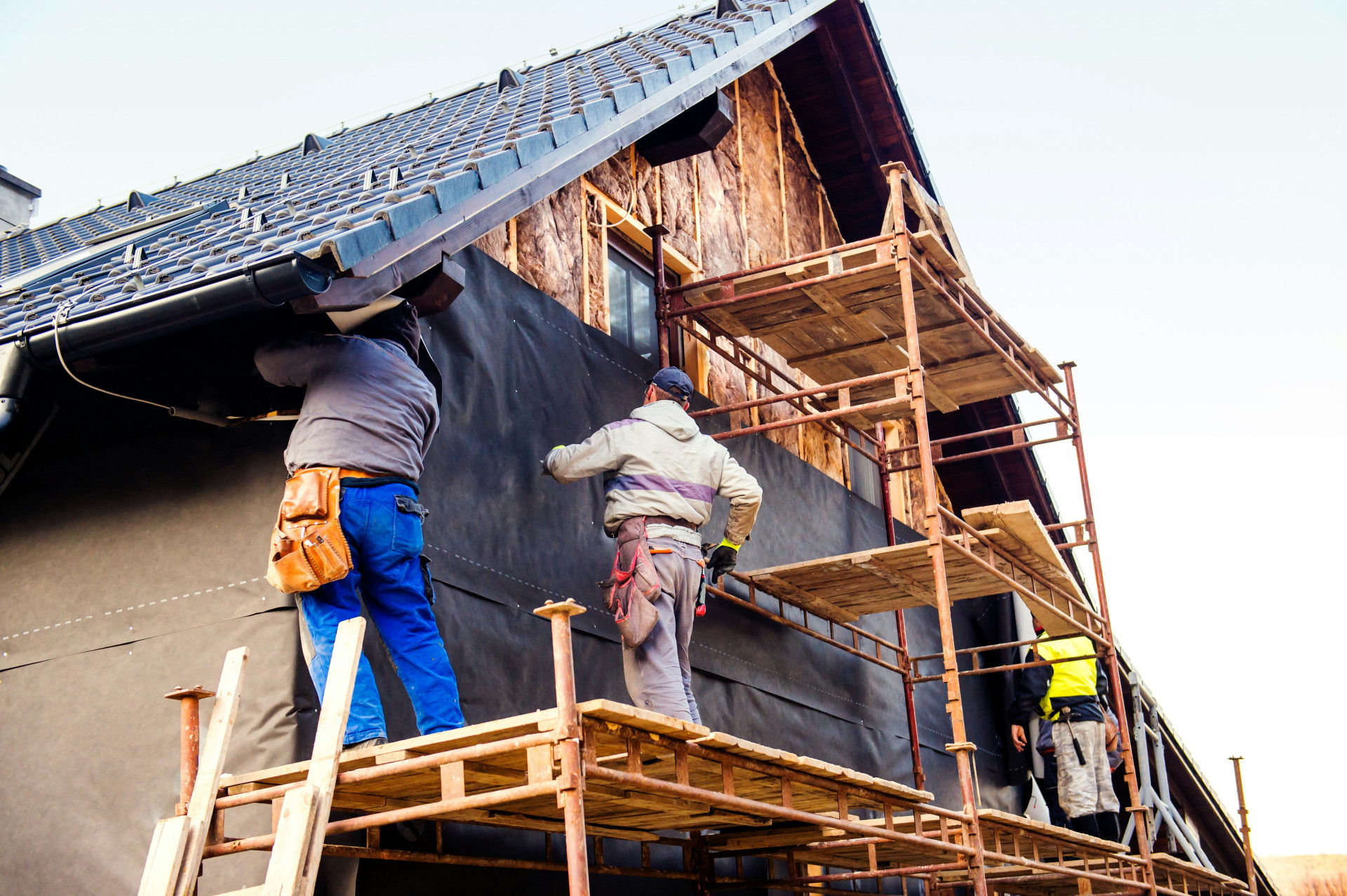
When we talk about sustainable construction, insulation is one of the most important factors. In the United States, building codes at both the federal and state levels set clear standards for how well new buildings and major renovations must be insulated. These requirements are not only about comfort and lower utility bills – they also play a key role in reducing energy consumption and protecting the environment. But how exactly do insulation standards make a difference, and why are they so essential to a greener future?
What Do Building Codes Require?
Building codes such as the International Energy Conservation Code (IECC) and state-specific energy codes establish limits on how much energy a building can use for heating, cooling, ventilation, and hot water. This means that both new construction and significant remodels must meet certain insulation and efficiency standards. These typically include:
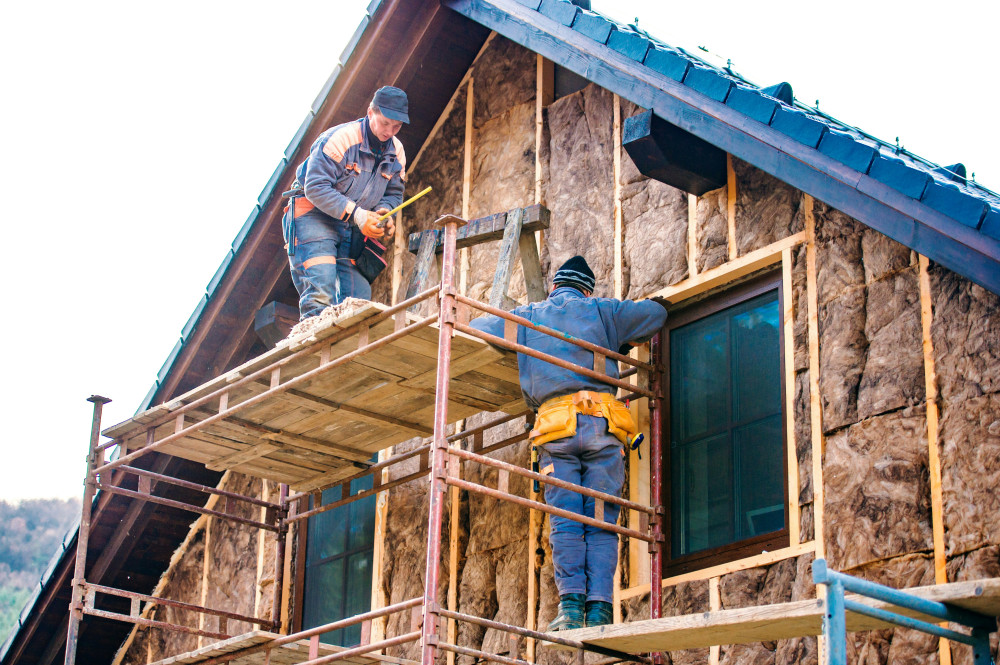
- Walls, roofs, and floors must meet minimum R-values (a measure of thermal resistance) to prevent heat loss or gain.
- Windows and doors must meet energy performance ratings that limit heat transfer and air leakage.
- Air sealing requirements ensure that buildings are tight enough to prevent unnecessary drafts and energy waste.
These standards are updated regularly as technology improves, with the long-term goal of achieving net-zero energy buildings that produce as much energy as they consume.
Lower Energy Use – Lower Emissions
A well-insulated building requires far less energy to stay warm in winter and cool in summer. That means less electricity, natural gas, or heating oil is needed – and therefore fewer greenhouse gas emissions are released into the atmosphere.
In the U.S., buildings account for roughly 40 percent of total energy consumption. Even modest improvements in insulation can have a major cumulative effect. A properly insulated home can cut heating and cooling energy use by up to half compared to an older, poorly insulated one. This translates directly into lower carbon emissions and a smaller environmental footprint.
Conserving Resources and Extending Building Life
Insulation does more than save energy. By keeping indoor temperatures stable, it reduces stress on building materials caused by temperature swings and moisture. This helps prevent damage, extends the life of the structure, and reduces the need for repairs and replacements – all of which save resources and reduce waste.
Lower energy demand also means less pressure on power plants and fuel supplies. Whether the energy comes from fossil fuels or renewable sources, using less of it helps conserve natural resources and reduces the environmental impact of energy production.
Healthier, More Comfortable Homes
Energy efficiency and comfort go hand in hand. A well-insulated home maintains a more consistent indoor temperature, eliminates cold drafts, and reduces condensation. This creates a healthier living environment with less risk of mold and moisture problems, which can affect both the building and its occupants’ health.
By enforcing insulation and air-sealing standards, building codes not only promote energy efficiency but also improve indoor air quality and overall well-being.
A Key Part of the Green Transition
The United States has set ambitious goals for reducing greenhouse gas emissions, and energy-efficient buildings are essential to achieving them. Insulation requirements in building codes ensure that new homes, offices, and public buildings contribute to national and local climate targets.
These standards also drive innovation in the construction industry. Manufacturers are developing new, more sustainable insulation materials – such as cellulose, recycled denim, and plant-based foams – that provide excellent performance with a lower environmental impact.
Læs også:

The Future of Building: Beyond Insulation
While insulation is a cornerstone of sustainable design, the future of green building goes beyond thicker walls. Combining high-performance insulation with efficient HVAC systems, renewable energy sources like solar panels, and smart energy management can create buildings that use minimal energy – or even generate more than they consume.
Building code insulation requirements are therefore not a limitation but a foundation for smarter, healthier, and more sustainable construction. They help ensure that every new building is a step toward a cleaner, more energy-efficient future.
Læs også: