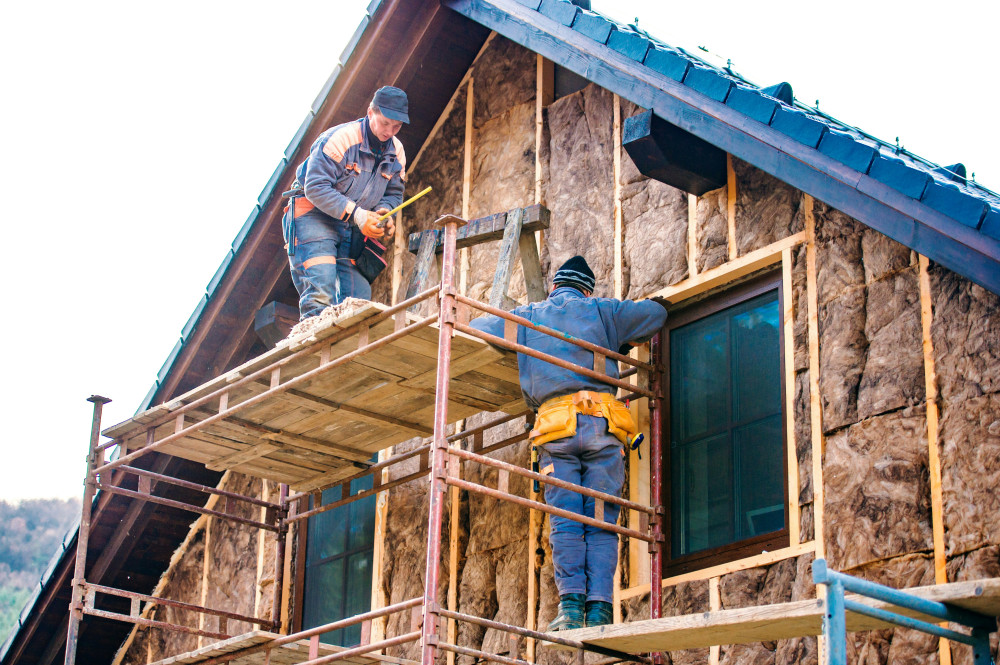
Healthy Indoor Climate with Proper Insulation

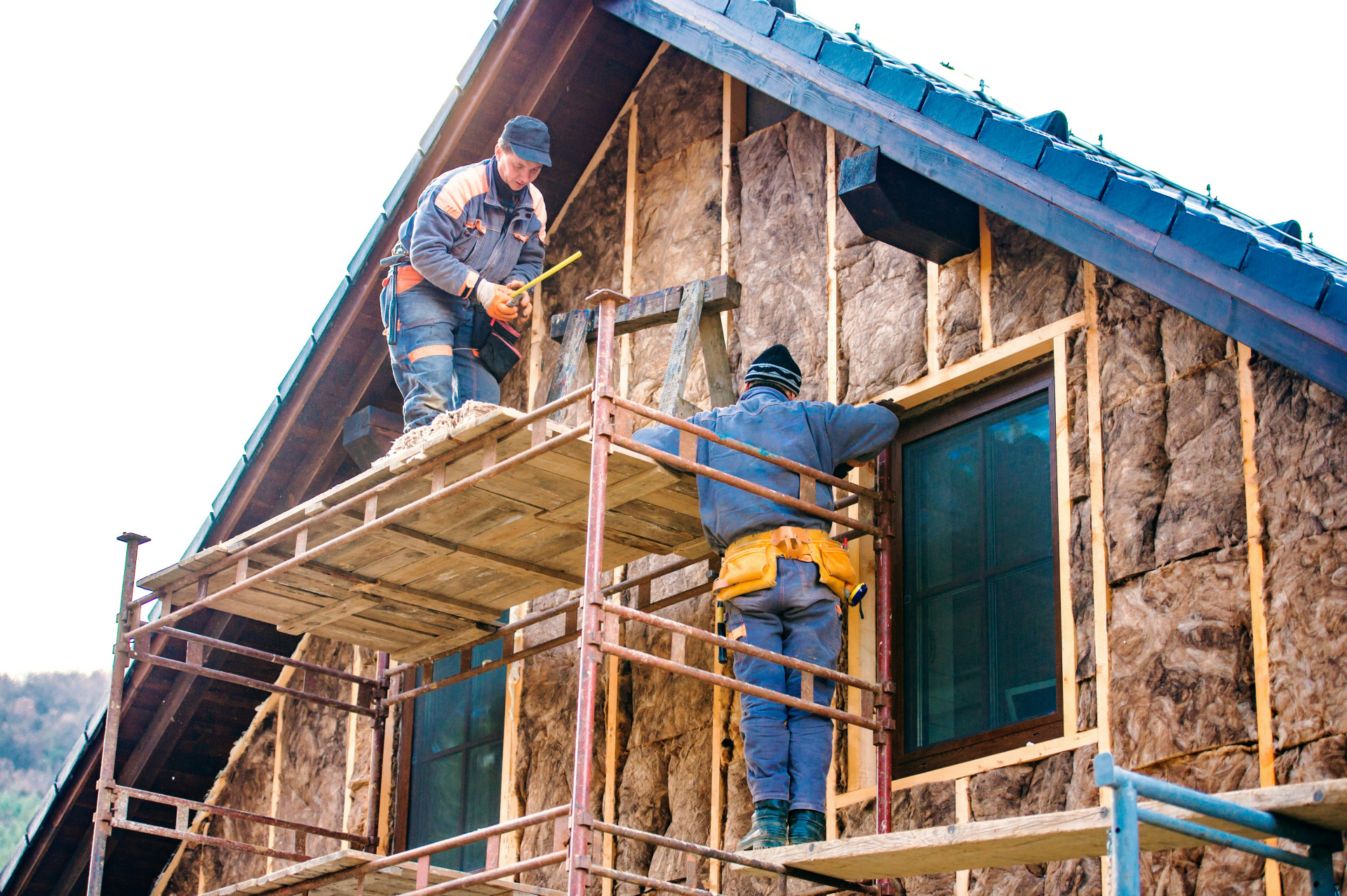
Healthy Indoor Climate with Proper Insulation
A healthy indoor climate is about more than just clean air and regular housekeeping – it starts with how your home is insulated. Proper insulation can make a significant difference in comfort, energy efficiency, and overall well-being. When walls, roofs, and floors are correctly insulated, you avoid drafts, moisture, and mold, creating a home where the temperature stays stable and the air feels fresh all year round.
Why Insulation Matters for Indoor Air Quality
The main purpose of insulation is to keep heat inside during winter and outside during summer. But its impact goes far beyond your energy bill. Poor insulation can lead to cold spots, condensation, and uneven temperatures – all of which affect indoor air quality and comfort.
When walls and ceilings are cold, moisture from the air can condense on surfaces, creating ideal conditions for mold growth. Temperature fluctuations between rooms can also cause discomfort and even contribute to fatigue or headaches. Proper insulation helps maintain consistent temperatures and reduces humidity, resulting in a healthier and more comfortable living environment.
Common Insulation Mistakes – and How to Avoid Them
Even small mistakes in insulation work can have big consequences. Here are some of the most common issues:
-
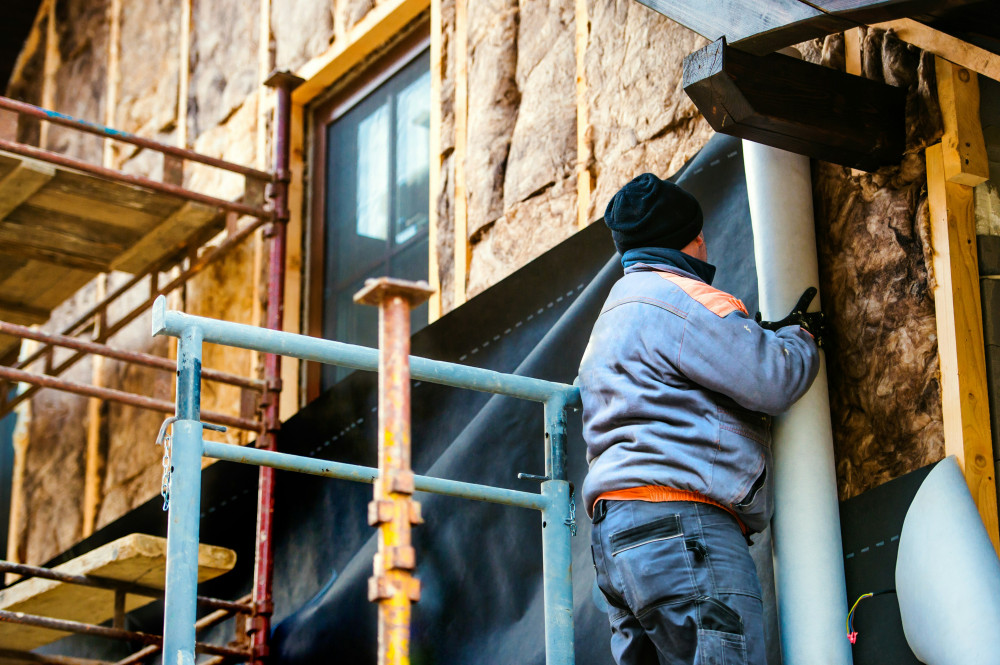
Thermal bridges: These occur when insulation doesn’t cover evenly, such as around corners, joints, or windows. They can cause cold spots and condensation. Solution: Ensure insulation is continuous and properly sealed, and use vapor barriers where needed.
-
Missing or damaged vapor barrier: Without an effective vapor barrier, indoor moisture can penetrate walls and cause structural damage. Solution: Use a high-quality vapor barrier and make sure all seams are tightly sealed.
-
Over-insulating without ventilation: A tightly sealed home without proper ventilation can trap pollutants and moisture. Solution: Combine good insulation with a balanced ventilation system, ideally one with heat recovery.
-
Wrong material choice: Not all insulation materials are suitable for every type of building or climate. Solution: Choose materials that fit your home’s structure and local conditions – for example, fiberglass, cellulose, or spray foam.
Insulation and Ventilation Go Hand in Hand
When you improve insulation, your home becomes more airtight – which means ventilation becomes even more important. A modern ventilation system with heat recovery can exchange stale indoor air for fresh outdoor air without wasting energy. It removes excess moisture, odors, and airborne particles while retaining warmth.
Good ventilation is essential for maintaining a healthy indoor climate. It helps control humidity levels and prevents mold growth, even in well-insulated homes.
Eco-Friendly and Health-Conscious Materials
Today, homeowners have access to a wide range of insulation materials that are both effective and environmentally friendly. Natural materials like cellulose, wool, and wood fiber not only insulate well but also help regulate indoor humidity. They can absorb and release moisture without losing their insulating properties, reducing the risk of condensation.
These materials are also free from harmful chemicals, making them ideal for families with children, allergy sufferers, or anyone looking to minimize chemical exposure in the home.
Professional Installation Pays Off
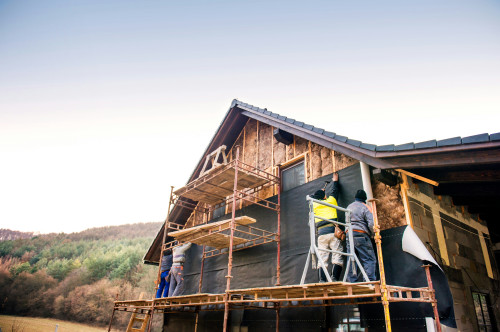
While DIY insulation projects can be tempting, proper installation requires precision and building science knowledge. A professional insulation contractor can identify where your home loses the most energy and ensure the work is done correctly, preventing future issues like moisture buildup or heat loss.
A qualified expert can also recommend the best materials for your home type and climate zone, and help you integrate insulation with ventilation for optimal results.
Læs også:

A Healthy Home Starts Within the Walls
A healthy indoor climate isn’t just something you feel – it’s something you can measure in better sleep, fewer allergy symptoms, and greater comfort. Proper insulation is an investment that benefits your health, your wallet, and the environment. When your home retains warmth and keeps moisture out, you create a space that feels comfortable and inviting – no matter the season.
Læs også: