Insulate the attic crawl space in your townhouse without disturbing the neighbor


Insulate the attic crawl space in your townhouse without disturbing the neighbor
Adding insulation to the attic crawl space in a townhouse is one of the most effective ways to improve energy efficiency and comfort. But in a shared building, it’s important to plan carefully — both to protect the structure and to maintain good relations with your neighbors. Here’s a practical guide to insulating your attic crawl space quietly, safely, and without crossing any shared boundaries.
What is the attic crawl space — and why does it matter?
In many townhouses, the attic crawl space is the low, narrow area between the ceiling and the roofline. Because it’s often unfinished and poorly insulated, it can be a major source of heat loss in winter and heat gain in summer. Proper insulation helps keep your home comfortable year-round and reduces your energy bills.
By insulating the attic crawl space, you can:
- Cut down on heating and cooling costs.
- Improve indoor comfort and air quality.
- Prevent moisture buildup and mold.
- Increase your home’s resale value.
However, since townhouse units share walls and sometimes roof structures, you’ll need to take special care not to affect your neighbor’s side.
Inspect the structure first
Before you start, take time to understand how your attic crawl space is built. Most townhouses have a fire separation wall (also called a party wall or firewall) between units. This wall must never be penetrated or altered, as it’s designed to prevent the spread of fire between homes.
Check for:
- Access to the crawl space (through a hatch or small door).
- Existing insulation and its condition.
- Signs of moisture, mold, or air leaks.
- The exact location of the fire separation wall.
If you’re unsure about the construction, it’s wise to consult a licensed contractor or home energy auditor before beginning any work.
Choose the right insulation type
The best insulation method depends on your crawl space’s accessibility, available space, and budget.
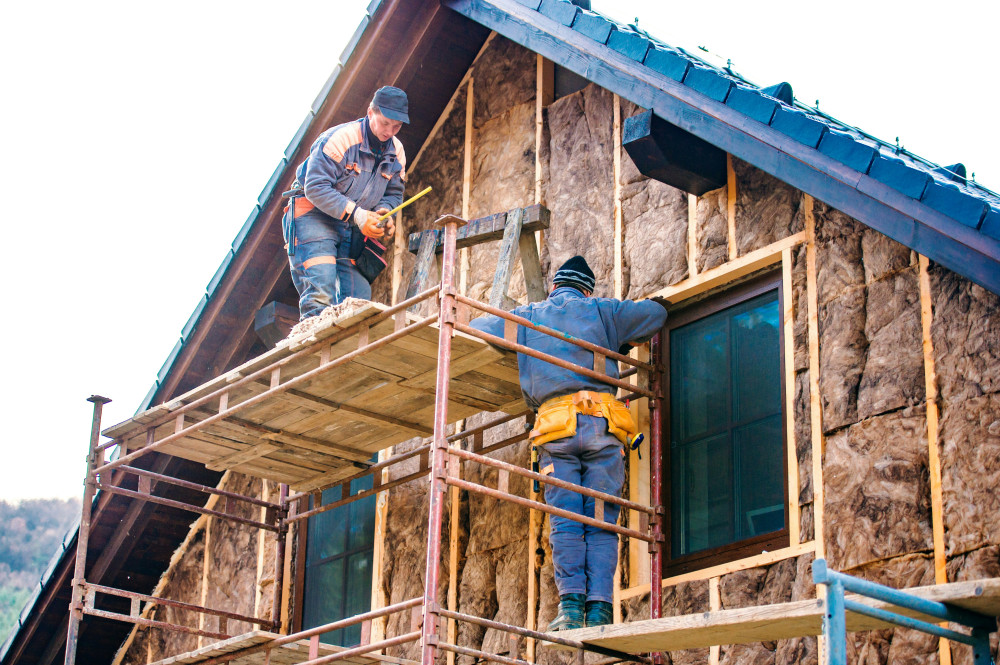
- Fiberglass batts or rolls are ideal if you can physically enter the space. They’re easy to install and provide consistent coverage.
- Blown-in insulation (such as cellulose or fiberglass) works well for tight or hard-to-reach areas. It can be installed through small holes with minimal disruption.
- Rigid foam boards (like polyiso or foam board) are great for limited spaces where you need high R-value in a thin layer.
No matter which type you choose, make sure to maintain a ventilation gap between the insulation and the roof sheathing to prevent moisture buildup.
How to avoid disturbing your neighbor
Noise and vibration are the most common complaints during home improvement projects in shared buildings. Fortunately, a little planning goes a long way:
- Give your neighbor a heads-up before starting. Let them know when you’ll be working and what to expect.
- Work during daytime hours — avoid early mornings, evenings, and weekends if possible.
- Use hand tools instead of power tools when feasible to reduce noise.
- Avoid drilling or fastening into shared walls. If you need to attach something near the party wall, use surface-mounted methods rather than screws that penetrate the wall.
If you hire a contractor, ask them to take extra care with noise and vibration control.
Manage moisture and ventilation
Adding insulation changes how your home handles moisture, so it’s essential to get the details right.
- Install a vapor barrier (or vapor retarder) on the warm side of the insulation to keep indoor humidity from entering the crawl space.
- Ensure soffit vents and ridge vents remain open to allow airflow under the roof deck.
- Don’t block existing ventilation ducts or exhaust vents.
A poorly ventilated attic can trap moisture, leading to mold growth that could affect both your home and your neighbor’s.
DIY or hire a professional?
If you have easy access to the crawl space and some DIY experience, you can handle parts of the job yourself. However, in a townhouse where structures are shared, hiring a professional insulation contractor or energy auditor can be a smart investment.
A professional can:
- Determine the right insulation thickness and type for your climate zone.
- Ensure proper vapor barrier installation and ventilation.
- Complete the job quickly and with minimal disruption.
You may also qualify for energy efficiency rebates or tax credits through federal or state programs if the work is done by a certified contractor.
Læs også:

Insulate with care and consideration
Once your attic crawl space is properly insulated, you’ll notice the difference — lower energy bills, fewer drafts, and a more comfortable home. But good insulation isn’t just about materials; it’s about doing the job thoughtfully and respectfully.
By planning carefully, following building codes, and keeping your neighbor in mind, you can make your townhouse more energy-efficient without creating noise or conflict. That’s smart home improvement — and good neighborly practice.
Læs også: