Share Your Maintenance Plan – and Get the Whole Household on Board

Share Your Maintenance Plan – and Get the Whole Household on Board
Owning a home means there’s always something that needs attention, from cleaning gutters to checking smoke detectors. But when one person carries all the responsibility, it can quickly become overwhelming. A home maintenance plan can make a big difference—not just for keeping your house in good shape, but also for creating teamwork at home. When you share the plan with everyone in the household, it becomes easier to divide tasks, stay organized, and avoid confusion about who’s doing what. Here’s how to get everyone involved and make home maintenance a shared effort.
Why a Maintenance Plan Makes Life Easier
A maintenance plan is essentially a schedule that outlines what needs to be done around the house and when. It might include seasonal chores like servicing the HVAC system, cleaning the gutters, or checking for leaks. Having everything written down helps you stay on top of tasks before they turn into costly repairs.
When the plan is shared with the whole household, maintenance becomes a team project instead of a solo burden. Everyone gains a better understanding of what it takes to keep the home running smoothly, and expectations are clear from the start. That clarity helps prevent frustration and ensures that no one feels like they’re doing all the work.
Keep the Plan Simple and Visible
A plan only works if it’s easy to follow and accessible to everyone. Start by creating a simple checklist—either digitally in a shared document or physically on a bulletin board in the kitchen. Break tasks down by season or month so it’s clear what needs to be done and when.
Here are some examples of seasonal tasks:
- Spring: Clean gutters, inspect the roof for damage, service the air conditioning system, and prepare the yard for summer.
- Summer: Paint or stain outdoor woodwork, trim trees and shrubs, check deck boards for wear, and clean outdoor furniture.
- Fall: Rake leaves, clean dryer vents, test smoke and carbon monoxide detectors, and prepare the heating system for winter.
- Winter: Check for drafts around windows and doors, monitor pipes for freezing, and clear snow and ice from walkways.
When everyone can see the plan, it’s easier to stay on track and pitch in where needed.
Assign Tasks Based on Interests and Skills
Not everyone enjoys the same kinds of chores—and that’s okay. The key is to assign tasks that match each person’s strengths and preferences. Maybe one person enjoys yard work while another prefers indoor projects like organizing or minor repairs.
Have a family discussion about who will take on which responsibilities, and record those decisions in the plan. You can also rotate certain tasks so everyone learns different aspects of home care. This approach not only keeps things fair but also helps kids and teens develop practical life skills.
Turn Maintenance into a Shared Activity
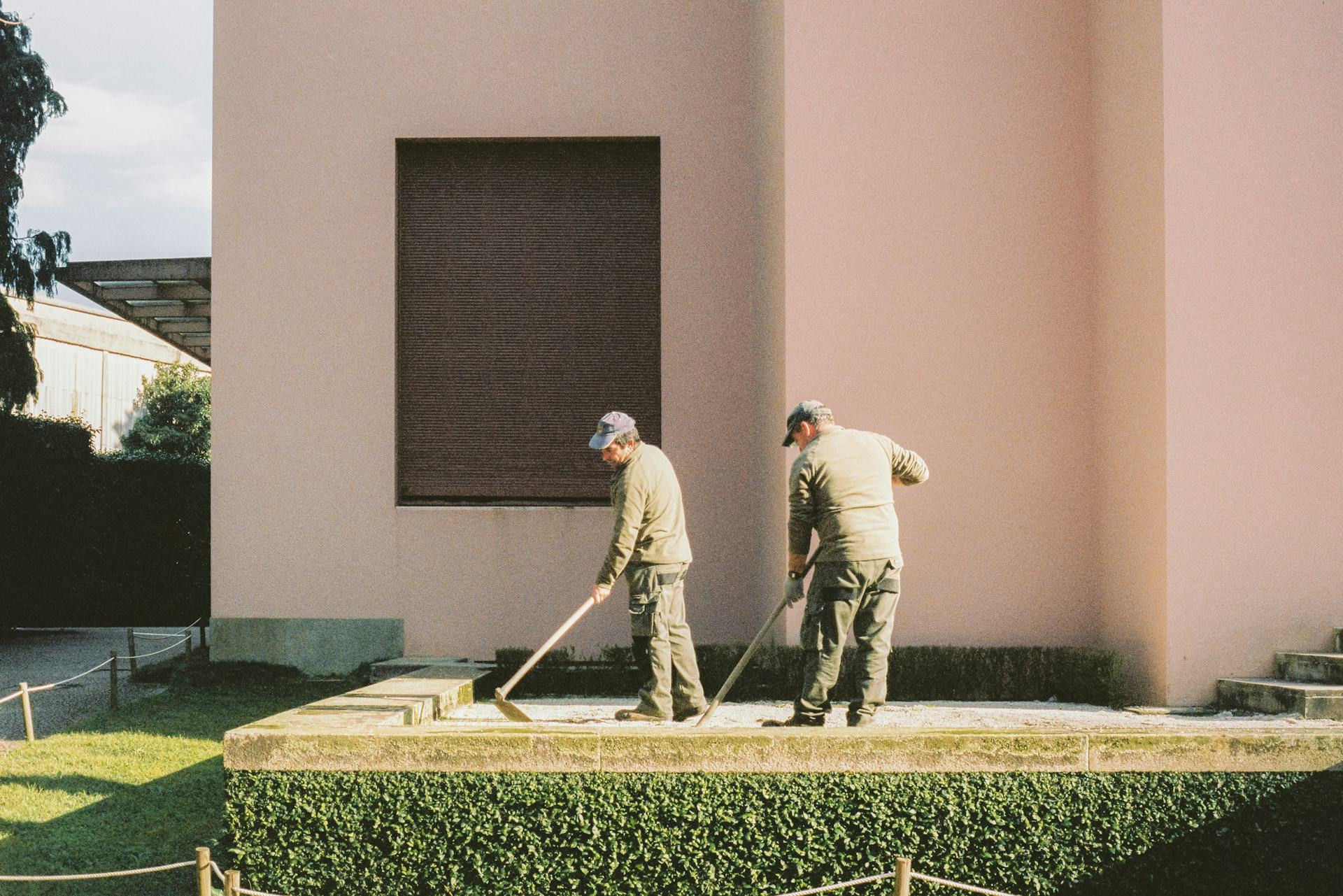
Home maintenance doesn’t have to feel like a chore. Many tasks can be turned into enjoyable family activities. Set aside a Saturday to tackle a few projects together—like cleaning out the garage, repainting the fence, or planting flowers—and reward yourselves with a cookout or movie night afterward. Working side by side builds a sense of accomplishment and makes the process more fun.
You can also hold short “house meetings” a few times a year to review the plan, adjust assignments, and celebrate what’s been completed. These check-ins help keep everyone engaged and motivated.
Læs også:

Use Technology to Stay Organized
There are plenty of digital tools that can make managing home maintenance easier. Shared calendars like Google Calendar, task apps like Trello, or home management apps can help you set reminders, upload photos, and track progress.
These tools make it simple for everyone to stay informed—even if they’re not the one who created the plan. Plus, checking off completed tasks gives a satisfying sense of progress and accountability.
Build a Culture of Responsibility and Teamwork
When everyone in the household participates, maintenance becomes more than just a list of chores—it becomes part of your shared routine. It’s about building a culture where everyone takes responsibility for the home, regardless of age. Kids learn to care for their surroundings, and adults benefit from lighter workloads and better communication.
A home maintenance plan isn’t just about keeping your house in good condition—it’s also a way to strengthen cooperation, teach valuable habits, and create a sense of pride in the place you all call home.
Læs også: