Lighting Design: How to Create Functional and Cozy Lighting in Your Space


Lighting Design: How to Create Functional and Cozy Lighting in Your Space
Light is more than just a practical necessity—it shapes how we experience a room. The right lighting can make a space feel larger, warmer, and more inviting, while poor lighting can flatten even the most beautiful décor. Lighting design is about finding the balance between function and atmosphere, so your home works well for everyday life and feels comfortable to live in.
Here’s a guide to planning your lighting—room by room.
Start with the Room’s Purpose
Before choosing fixtures, think about how each room is used. A kitchen needs very different lighting than a living room or bedroom.
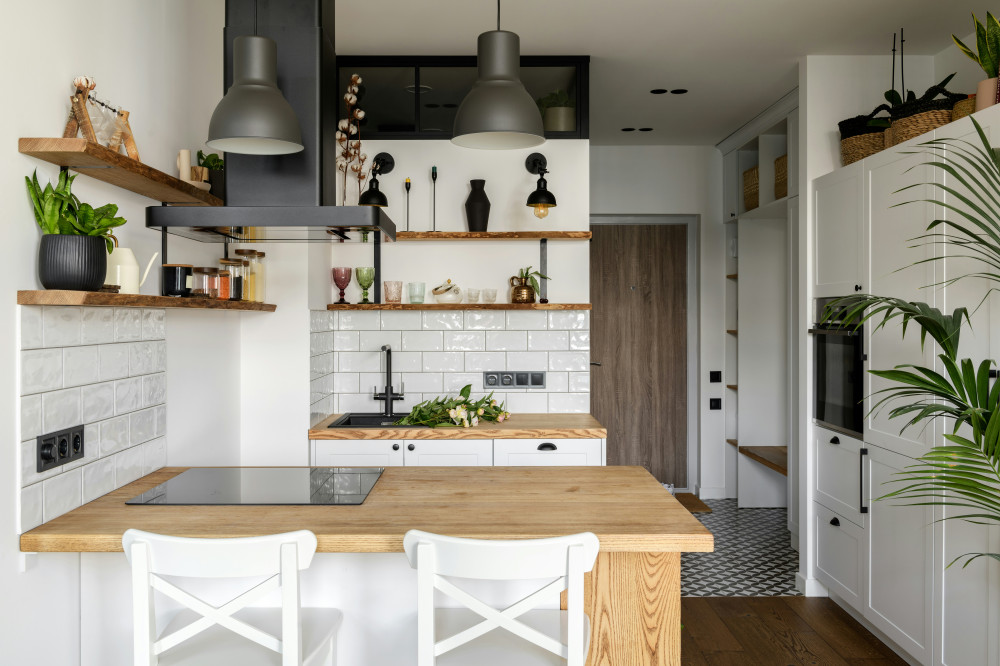
- Kitchen: Bright, focused light is essential for cooking and food prep, but you’ll also want softer lighting for meals and gatherings.
- Living Room: This space often serves multiple purposes—relaxing, reading, entertaining—so flexibility is key.
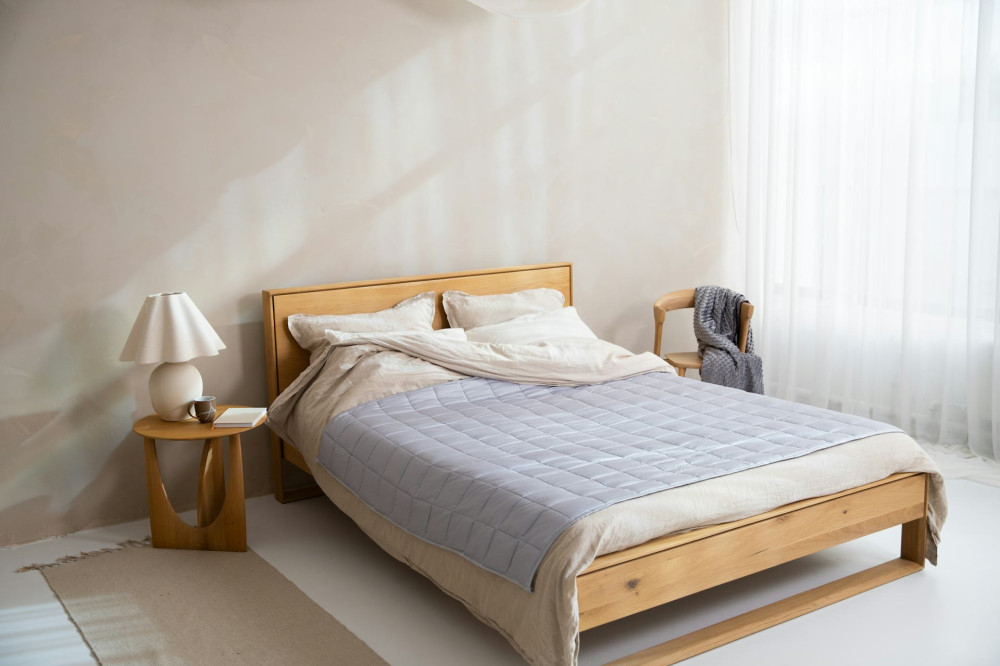
- Bedroom: Warm, dimmable light helps create a calm atmosphere, with brighter task lighting near closets or bedside tables.
- Bathroom: You’ll need clear, even light around the mirror for grooming, but softer light for early mornings or late nights.
Once you understand how each room functions, it becomes easier to choose the right fixtures and placements.
Think in Layers: Ambient, Task, and Accent Lighting
A well-designed lighting plan combines several layers to create depth and flexibility.
- Ambient Lighting – The general illumination that fills the room. This can come from ceiling fixtures, recessed lights, or large pendants.
- Task Lighting – Focused light for specific activities like reading, cooking, or working. Desk lamps, under-cabinet lights, and adjustable sconces work well here.
- Accent Lighting – Soft, indirect light that adds warmth and highlights features. Think table lamps, wall lights, or LED strips behind furniture.
By blending these layers, you can adjust the lighting to suit different moods and times of day.
Choose the Right Color Temperature
Light color, measured in kelvins (K), affects how a space feels.
- Warm light (2,700–3,000 K): Creates a cozy, relaxing atmosphere—ideal for living rooms and bedrooms.
- Neutral light (3,000–4,000 K): Works well in kitchens and bathrooms, offering clarity without feeling too harsh.
- Cool light (4,000 K and above): Best for workspaces where focus and precision matter.
A good rule of thumb is to keep color temperatures consistent in adjoining rooms for a natural flow.
Læs også:



Use Light to Highlight Your Décor
Lighting can be a design feature in itself. A well-placed spotlight can draw attention to artwork, plants, or architectural details. Indirect lighting behind shelves or under cabinets adds depth and character.
Pay attention to how natural light changes throughout the day. Artificial lighting should complement—not compete with—daylight. Dimmable bulbs are a simple way to adjust brightness and create the right mood at any time.
Energy-Efficient and Smart Solutions
LED bulbs are now the standard for energy efficiency and versatility. They come in a wide range of color temperatures and can be dimmed without losing quality.
Smart lighting systems—controlled by apps or voice assistants—make it easy to switch between bright task lighting and cozy evening light with a tap or command. You can even automate lighting to follow your daily rhythm, becoming cooler in the morning and warmer at night.
Create Warmth with Variety and Shadows
A single bright ceiling light rarely makes a room feel inviting. It’s the variation that creates atmosphere. Mix floor lamps, table lamps, and wall sconces at different heights and angles. Let some corners stay softly lit while others are brighter.
Shadows add depth and make a space feel more dynamic. Layered lighting brings life and comfort to any room.
Plan Early—but Stay Flexible
If you’re remodeling or building, include lighting design from the start. The placement of outlets, switches, and junction boxes will determine how flexible your lighting can be.
Even in an existing home, small changes can make a big difference: move a lamp, swap bulb types, or add a dimmer. Lighting design isn’t a one-time task—it evolves as your home and lifestyle change.
A Home in the Right Light
When function and atmosphere work together, lighting becomes a natural part of your interior design. It’s not about having the most fixtures—it’s about creating balance between practicality and comfort.
With thoughtful lighting design, you can make your home both functional and cozy, no matter the time of day.
Læs også: