Sensory Experiences in the Wellness Room – Scent, Sound, and Touch for Deep Relaxation


Sensory Experiences in the Wellness Room – Scent, Sound, and Touch for Deep Relaxation
A wellness room is more than a beautifully designed space – it’s a sanctuary for the senses. When you step into a room created for calm and restoration, your body and mind respond to subtle cues from scent, sound, and touch. By engaging these senses intentionally, you can transform an ordinary space into a haven for deep relaxation and balance.
The Power of Scent – Creating Calm Through Aroma
Scent has a direct line to our emotions and memories. The right aroma can slow your heartbeat, ease tension, and promote a sense of peace. In a wellness room, fragrance becomes a tool for shaping the atmosphere.
- Lavender is known for its calming properties and can help reduce anxiety and promote restful sleep.
- Eucalyptus brings clarity and freshness – perfect after a workout or sauna session.
- Citrus scents like orange, lemon, or bergamot uplift the mood and energize the mind.
- Sandalwood and patchouli add warmth and depth, ideal for meditation or quiet reflection.
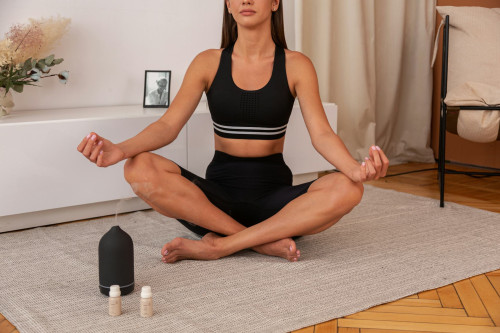
You can introduce scent through essential oil diffusers, soy candles, or even fresh herbs and plants. Choose natural, subtle fragrances – overly strong aromas can overwhelm the senses and disrupt relaxation.
Læs også:



The Role of Sound – From Silence to Nature’s Rhythm
Sound profoundly influences how we feel. In a wellness room, it can guide the body toward stillness and the mind toward focus.
Many people find nature sounds – flowing water, rustling leaves, or gentle rain – deeply soothing because they reconnect us with the natural world. Others prefer soft instrumental music or ambient tones that encourage slow breathing and mental clarity.
Don’t underestimate the value of silence. A quiet space allows the mind to settle and the body to rest. To enhance acoustic comfort, use soft materials like rugs, curtains, and wood surfaces to absorb harsh echoes and create a cocoon-like calm.
Touch and Texture – Comfort Through Materials
Touch is the most immediate way we connect with our surroundings. The textures and materials in your wellness room can either invite relaxation or create tension. Choose surfaces that feel good against the skin and evoke a sense of safety and comfort.
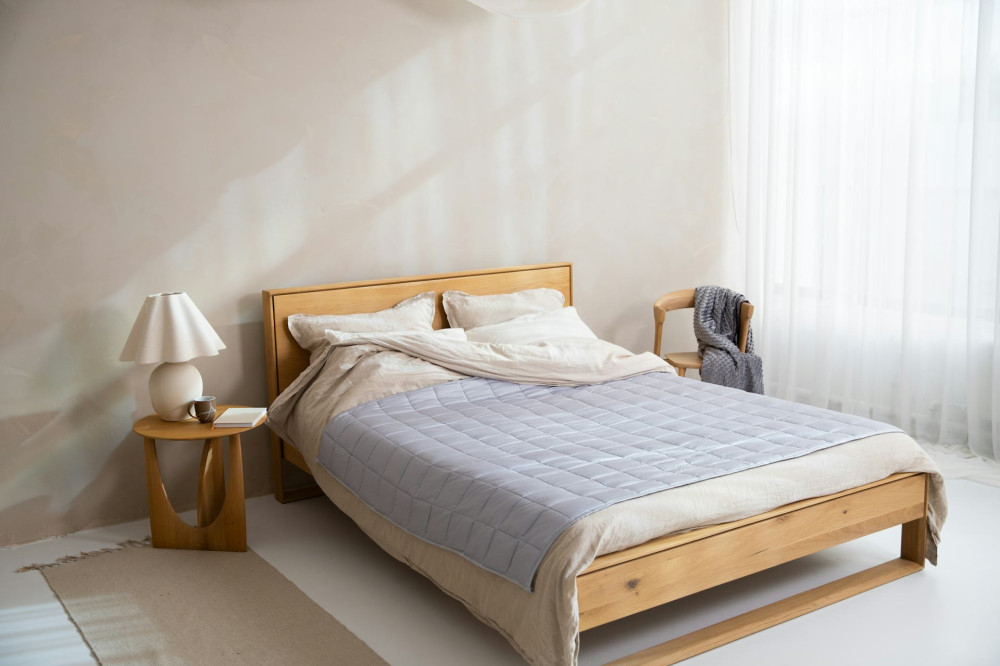
- Soft textiles such as cotton, linen, and plush towels provide warmth and coziness.
- Natural materials like wood, stone, and bamboo ground the space and bring a sense of harmony.
- Heated surfaces – from warm floors to cozy blankets – add a luxurious, nurturing element.
Temperature and texture both matter. A cool stone surface can refresh and awaken, while a warm towel or throw signals care and comfort. Combining these contrasts can make the sensory experience more dynamic and engaging.
Light and Atmosphere – The Subtle Fourth Sense
While scent, sound, and touch take center stage, light quietly shapes the overall mood. Soft, warm lighting helps the body unwind, while bright, cool light can energize and focus the mind.
Use dimmable lamps or warm LED lights to adjust the ambiance throughout the day. Candles or flickering LED alternatives can add a natural glow that enhances feelings of peace and presence.
Finding Your Sensory Balance
A truly restorative wellness room is about harmony, not stimulation. The goal is to let the senses work together rather than compete for attention. Start by focusing on one sense at a time, and notice how each change affects the atmosphere.
When scent, sound, and touch come into balance, your wellness room becomes more than a place to relax – it becomes a personal retreat, a space where you can reconnect with yourself and find calm in the midst of everyday life.
Læs også: