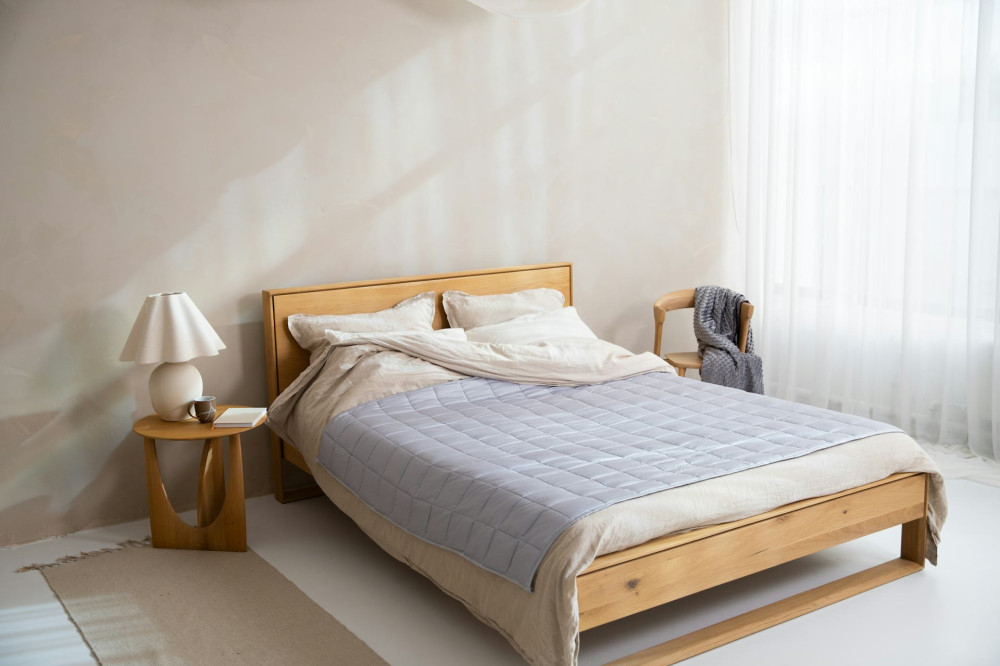
A healthy indoor environment starts with small daily habits


A healthy indoor environment starts with small daily habits
A comfortable home isn’t just about décor or temperature—it’s about the air you breathe every day. Indoor air quality affects your energy, sleep, and overall health, and even small daily habits can make a big difference. From managing humidity to choosing the right cleaning products, here’s how you can create a healthier indoor environment, one step at a time.
Let fresh air in—smartly
Fresh air is the simplest and most effective way to improve indoor air quality. Yet many Americans keep windows closed most of the year, especially during winter or when using air conditioning. Stale air can trap moisture, odors, and pollutants inside.
Try short, effective ventilation: open windows on opposite sides of your home for five minutes, two or three times a day. This quick exchange refreshes the air without losing too much heat or cooling. Avoid leaving windows cracked open all day—it wastes energy and can cause drafts.
Be extra mindful when cooking, showering, or doing laundry indoors. These activities release moisture and particles that can build up quickly. Use your kitchen range hood and bathroom fan, and let them run for a few minutes after you’re done.
Keep humidity and temperature in balance
Healthy indoor air depends on the right balance between warmth and humidity. The ideal indoor humidity level is between 40% and 60%. Too dry, and you may experience dry skin, irritated eyes, or static electricity. Too humid, and you risk mold growth and dust mites.
A small digital hygrometer can help you monitor humidity. If levels are high, increase ventilation or use a dehumidifier—especially in basements or bathrooms. If the air is too dry, consider adding houseplants or using a humidifier during winter months.
Keep your thermostat around 68–72°F (20–22°C) in living areas and a bit cooler in bedrooms. Avoid large temperature differences between rooms, as they can lead to condensation and moisture problems.
Clean with care
Dust isn’t just unsightly—it can contain pollen, pet dander, chemicals, and microscopic particles that affect your breathing. Regular cleaning is one of the easiest ways to maintain a healthy indoor environment.
- Vacuum at least once a week using a vacuum with a HEPA filter to trap fine particles.
- Wipe surfaces with a damp cloth instead of dry dusting, which just stirs particles into the air.
- Wash bedding, curtains, and throw blankets regularly.
- If you have allergies, minimize heavy rugs and fabric-covered furniture that collect dust.
Choose cleaning products labeled fragrance-free or low-VOC (volatile organic compounds). Often, warm water and mild soap are all you need for everyday cleaning.
Bring nature indoors
Houseplants don’t just brighten a room—they can also help improve air quality. Plants like peace lilies, ferns, and snake plants can absorb certain pollutants and release moisture into the air. While they can’t replace proper ventilation, they’re a great complement to other healthy habits.
Plants also have a calming effect, helping reduce stress and making your home feel fresher and more inviting.
Limit unnecessary chemicals
Many everyday products release VOCs—volatile organic compounds—that can cause headaches, fatigue, or respiratory irritation. These compounds are found in paints, furniture, air fresheners, and scented candles.
When buying new furniture or paint, look for low-VOC or Green Seal-certified products. Avoid overusing air fresheners and candles, and opt for natural alternatives like essential oil diffusers or simply opening a window for a few minutes.
Læs også:

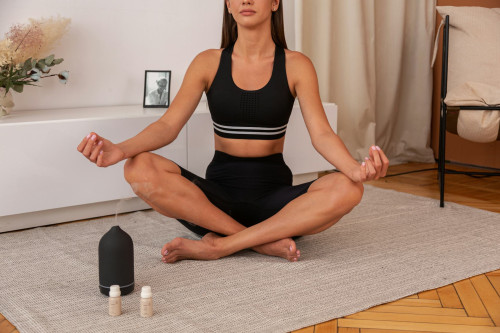


Build healthy habits into your routine
A healthy indoor environment is built on consistency. Small actions, repeated daily, make a lasting difference:
- Air out your home in the morning and before bed.
- Wipe moisture off bathroom surfaces after showering.
- Run your range hood for a few minutes after cooking.
- Shake out bedding and pillows outdoors.
- Clean a little every day to prevent dust buildup.
When these habits become part of your routine, you’ll notice the change—fresher air, fewer odors, and a more comfortable home.
A home that feels easier to breathe in
Creating a healthy indoor environment doesn’t require expensive equipment or major renovations. It’s about awareness and small, consistent choices. By paying attention to air, moisture, and cleanliness, you can make your home a place where you truly breathe easier—every single day.
Læs også: