Home Automation: When Technology Does the Dishes

Home Automation: When Technology Does the Dishes
For decades, the dishwasher has been a symbol of modern convenience — a machine that saves time and effort in the daily routine. But as technology evolves, home automation is becoming smarter, more energy-efficient, and more responsive to our individual needs. Today, it’s not just about getting the dishes clean; it’s about creating a home that thinks and acts on our behalf.
From Mechanical Helper to Smart Household
The first dishwashers were simple machines that sprayed hot water and soap over the dishes. Today’s models are far more advanced, equipped with sensors that detect soil levels, water usage, and energy consumption. Some can even connect to your smartphone, allowing you to start, stop, or monitor a cycle from anywhere.
This evolution is part of a broader trend: the smart home. In a connected household, appliances work together to create a more efficient and sustainable lifestyle. For example, a dishwasher can coordinate with the power grid to run when electricity is cheapest or when renewable energy is most available.
Sensors, Data, and Personalization
Modern dishwashers use sensors to measure everything from water clarity to rinse temperature. This allows the machine to automatically adjust its cycle to match the load’s size and soil level. The result? Cleaner dishes with less water and energy.
Some models even learn from your habits. If you usually run the dishwasher after dinner, it can suggest the most efficient time — or automatically start when energy rates drop. It’s a subtle example of how machine learning and data analytics are quietly becoming part of everyday life.
Sustainability and Resource Awareness
Home automation isn’t just about convenience; it’s also about responsibility. New technologies make it possible to significantly reduce resource consumption. While older dishwashers might have used up to five gallons of water per cycle, newer models can do the job with less than half that amount — and still deliver better results.
Many appliances are now designed to receive software updates, extending their lifespan and reducing waste. This approach supports a more circular economy, where products evolve instead of being replaced.
Integration with the Rest of the Home
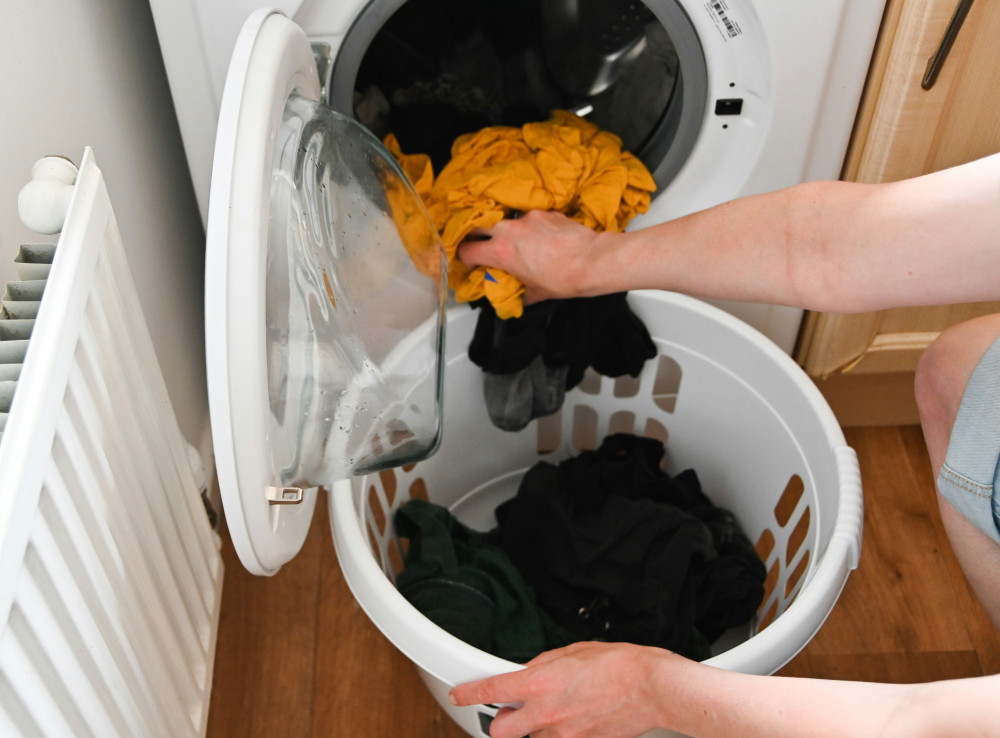
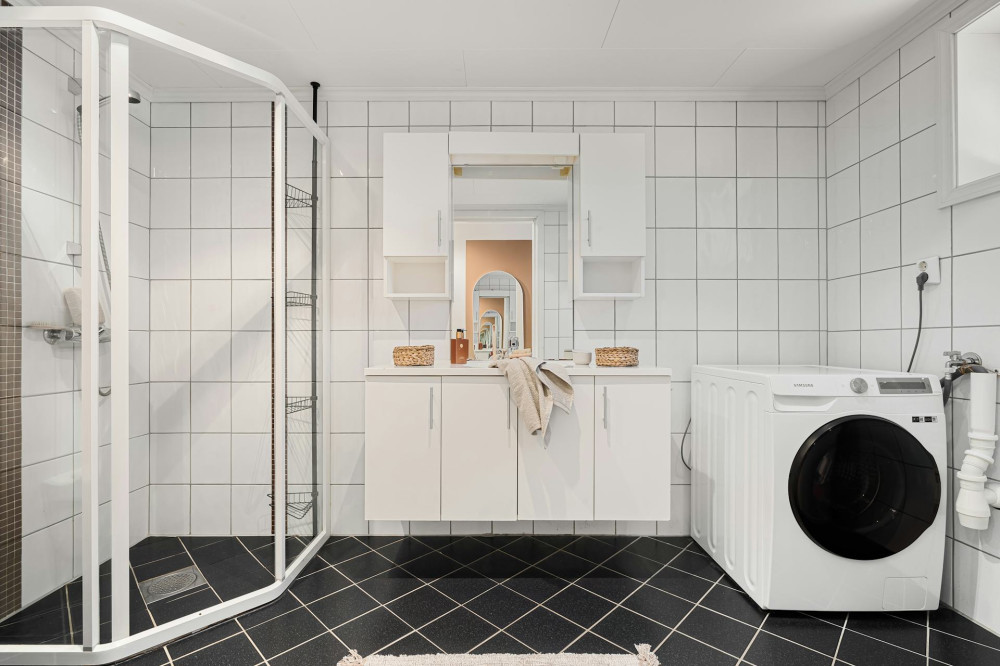
In a smart home, the dishwasher is no longer an isolated appliance. It can be part of a network of devices that communicate with each other. Imagine your dishwasher sending a signal to your dryer to balance energy use, or your voice assistant starting the wash cycle while you’re cooking dinner.
This kind of integration makes daily life smoother and gives us more time to focus on what truly matters — family, creativity, and relaxation — instead of chores.
Læs også:


The Kitchen of the Future — and the Human Touch
Even as technology becomes more autonomous, we remain at the center of the equation. Home automation isn’t about removing the human element; it’s about freeing us to spend our time and energy elsewhere. When technology does the dishes, we gain the freedom to connect, create, and unwind.
The kitchen of the future will likely be even more integrated, sustainable, and intuitive. Machines may reorder detergent when supplies run low or adjust to our cooking habits. But no matter how advanced our homes become, the goal will remain the same: to make everyday life easier — and a little more human.
Læs også: