The Future of Housing: When Sustainability and Urbanization Go Hand in Hand

The Future of Housing: When Sustainability and Urbanization Go Hand in Hand
American cities are growing faster than ever, and the demand for housing continues to rise. At the same time, the climate crisis is forcing us to rethink how we build and live. The future of housing isn’t just about adding more square footage—it’s about designing communities that balance environmental responsibility, livability, and social connection.
How can we build denser cities without sacrificing green values? And how can architecture, technology, and community-driven design work together to create a more sustainable urban future?
Cities as Living Ecosystems
For decades, urban development in the U.S. has focused on expansion and efficiency. But a new mindset is emerging—one that views the city as a living ecosystem where buildings, people, and nature coexist.
Green roofs, rainwater harvesting, solar panels, and recycled materials are no longer niche features; they’re becoming standard in forward-thinking developments. Urban green spaces—parks, rooftop gardens, and shared courtyards—are now recognized as essential infrastructure. They help cool cities, support biodiversity, and foster social interaction.
The goal is to create cities that don’t just consume resources but actively give back—to the environment and to the people who live there.
New Materials and Circular Design
One of the biggest shifts in sustainable construction is the move away from traditional materials like concrete and steel toward more climate-friendly alternatives. Timber construction is gaining traction across the U.S., from single-family homes to mid-rise apartment buildings.
Wood stores carbon, is renewable, and can be reused. Meanwhile, innovative materials such as hempcrete, mycelium composites, and recycled plastics are being developed to replace energy-intensive building products.
Circular design takes this further by ensuring that buildings are designed for disassembly—so materials can be reused in future projects. This approach demands a new architectural mindset, where flexibility and life-cycle thinking are just as important as aesthetics.
Technology as a Driving Force
Digital tools and smart technologies are transforming how we design, build, and live in our homes. Sensors, data analytics, and automation make it possible to optimize energy use, indoor air quality, and maintenance.
Smart buildings can automatically adjust heating, cooling, and lighting based on occupancy and weather conditions. Residents can monitor their energy consumption in real time, encouraging more sustainable habits.
Digital twins—virtual models of buildings—allow architects and engineers to test and refine designs before construction begins, reducing waste and cost. Technology, in this sense, doesn’t just make housing smarter—it makes it more human by freeing up time and resources for what truly matters: quality of life.
Community and Flexibility at the Core
Urbanization isn’t only about buildings—it’s about people. The future of housing must foster community, safety, and adaptability.
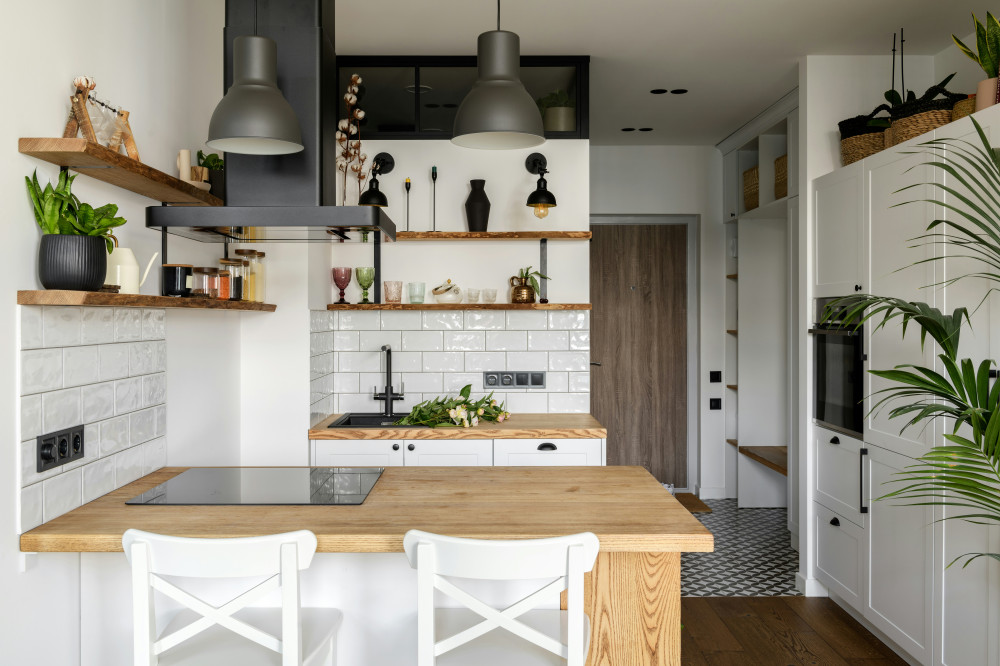
Co-living spaces, where residents share kitchens, workshops, or rooftop terraces, are becoming more popular in cities like New York, Los Angeles, and Austin. These models reduce resource consumption while strengthening social ties.
Flexible housing is also on the rise—homes that can evolve with their occupants’ needs, from young professionals to families to retirees. Modular construction and movable walls make it possible to reconfigure spaces without demolition or waste.
The aim is to create homes that grow and change alongside their residents—and with the city around them.
The Green City as the New Standard
Sustainable housing is no longer a futuristic concept—it’s a necessity. Climate goals, population growth, and shifting lifestyles demand that we rethink how we build and inhabit our cities.
When sustainability and urbanization go hand in hand, we can create cities that are both dense and green, technologically advanced yet deeply human. Cities where architecture isn’t just a backdrop for life, but an active part of the solution to the challenges we face.
This is where the future of housing begins: at the intersection of innovation, responsibility, and community.