The Expression of the Facade: The Interaction of Colors, Textures, and Materials

The Expression of the Facade: The Interaction of Colors, Textures, and Materials
The facade is the face of a building – the first impression it gives and the element that defines its character. It tells a story of style, time, and craftsmanship, but also of the owner’s taste and the environment in which the building stands. Today, homeowners and architects in the United States have more options than ever to create a distinctive and harmonious exterior, where colors, textures, and materials interact in new and expressive ways.
The Role of Color in the Overall Impression
Color is more than an aesthetic choice – it shapes how a building is perceived in relation to light, shadow, and its surroundings. A light-colored facade can make a home appear larger and more open, while darker tones add depth and solidity.
Across the U.S., regional differences influence color choices. In the Southwest, earthy tones like terracotta and sand blend naturally with the desert landscape. Along the coasts, lighter shades of white, gray, and blue reflect sunlight and evoke a breezy, maritime feel. In the Northeast and Midwest, deeper hues such as forest green, brick red, or slate gray complement the changing seasons and traditional architectural styles.
When selecting a color, it’s important to consider both the architectural style and the neighborhood context. A Victorian home in a historic district calls for a different palette than a modern minimalist house in a suburban setting.
Textures That Add Depth and Character
Texture – the surface quality of materials – plays a crucial role in how a facade comes to life. A smooth stucco wall reflects light evenly and gives a clean, contemporary look, while a rougher surface creates shadows and visual interest.
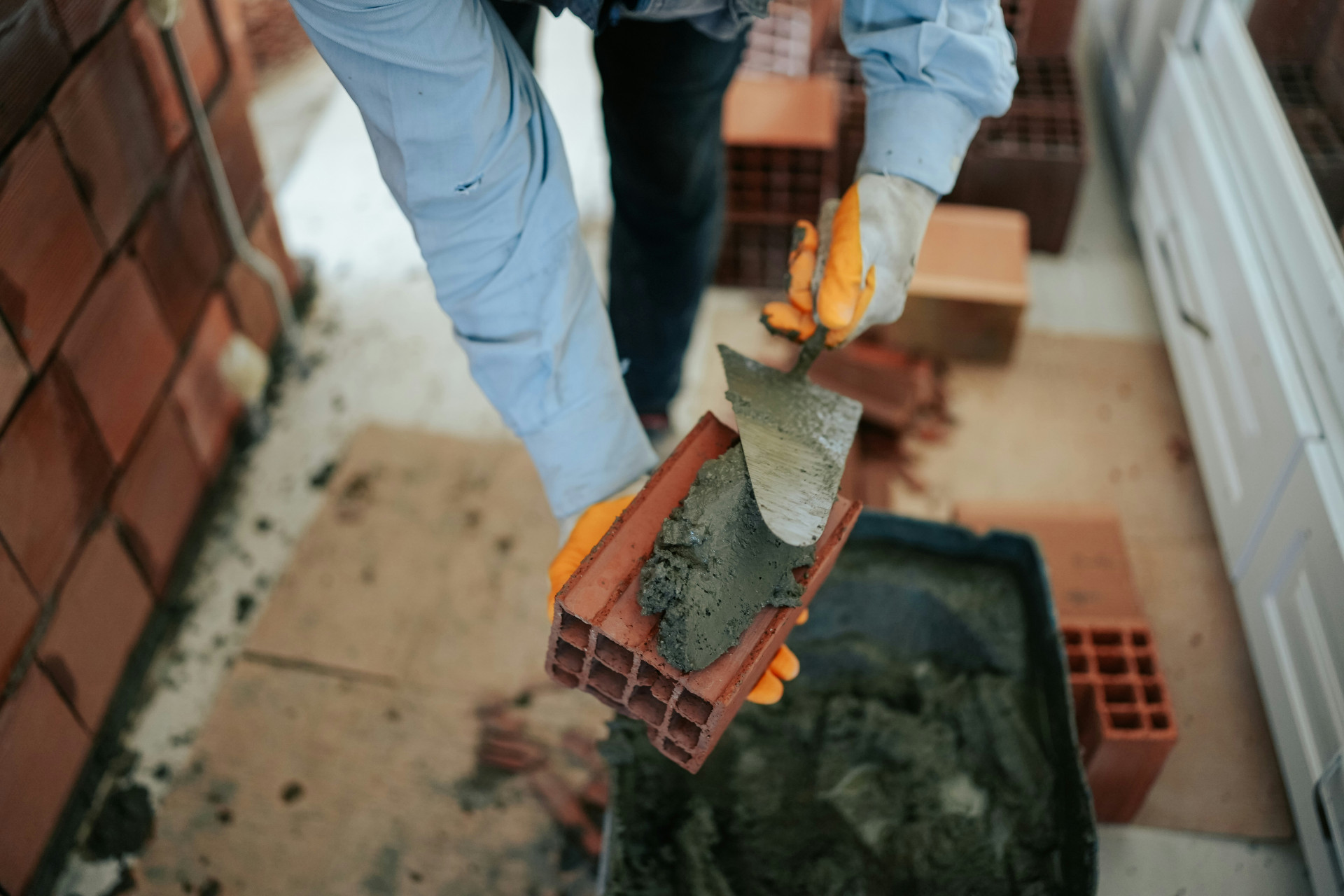
Brickwork patterns, mortar joints, and the finish of the brick itself can transform the character of a home. Handcrafted or reclaimed bricks bring warmth and authenticity, while sleek, machine-made bricks convey precision and modernity. Similarly, wood siding can range from finely milled boards to rough-sawn planks, each offering a different tactile and visual experience.
Combining textures can create a dynamic composition. For example, pairing stone at the base of a house with vertical cedar siding above can balance rustic charm with modern elegance.
The Interplay and Durability of Materials
Material selection defines both the aesthetic and the longevity of a facade. Brick, wood, fiber cement, metal, and stone each have their own visual language and technical properties. The key is to find a combination that suits the architecture and withstands the local climate.
- Brick is timeless and durable, available in a wide range of colors and finishes.
- Wood adds warmth and natural beauty but requires regular maintenance, especially in humid or coastal regions.
- Fiber cement and composite panels offer a sleek, low-maintenance alternative that can mimic wood or stone.
- Metal cladding, such as zinc, aluminum, or steel, provides a modern edge and develops a unique patina over time.
- Stone and masonry veneers bring texture and permanence, grounding the building visually and structurally.
When materials meet, precision in detailing is essential. Clean transitions between surfaces and well-crafted joints elevate the entire design. A beautiful facade is as much about craftsmanship as it is about material choice.
Light, Shadow, and the Changing Seasons
A facade’s expression changes constantly with the light. Rough textures catch shadows, while smooth surfaces reflect sunlight. Considering how the building will look at different times of day and throughout the year is key to achieving a balanced design.
In bright southern climates, lighter colors help reduce heat absorption and glare, while in northern regions, darker tones can add warmth and depth during long winters. The play of light and shadow can highlight architectural features, giving the facade a sense of movement and life.
The Power of Detail
Small details often make the biggest difference. Window frames, trim, gutters, and entryways are not just functional – they contribute to the overall composition. A dark window frame can create contrast and definition, while a light one can unify the facade.
It’s often in the meeting of materials and colors that a building’s personality emerges. Thoughtful detailing can transform even a simple structure into something distinctive and memorable.
A Facade That Endures and Tells a Story
A well-designed facade is not only about beauty but also about durability and maintenance. Choosing materials suited to the local environment and your lifestyle ensures that the building will age gracefully. A carefully executed facade can last for decades, maintaining both its function and its expression.
When colors, textures, and materials work together, they create a cohesive whole that is both practical and poetic. The facade becomes more than a protective shell – it becomes the voice of the building, expressing its identity and the story it tells to the world.