Talk to Children About Love and Care Through Pets

Talk to Children About Love and Care Through Pets
Pets hold a special place in many American families. They bring joy, companionship, and structure to daily life—but they can also be a meaningful way to teach children about love, responsibility, and empathy. When a child helps care for an animal, it opens the door to conversations about feelings, kindness, and respect for all living beings.
Pets as Mirrors of Emotion
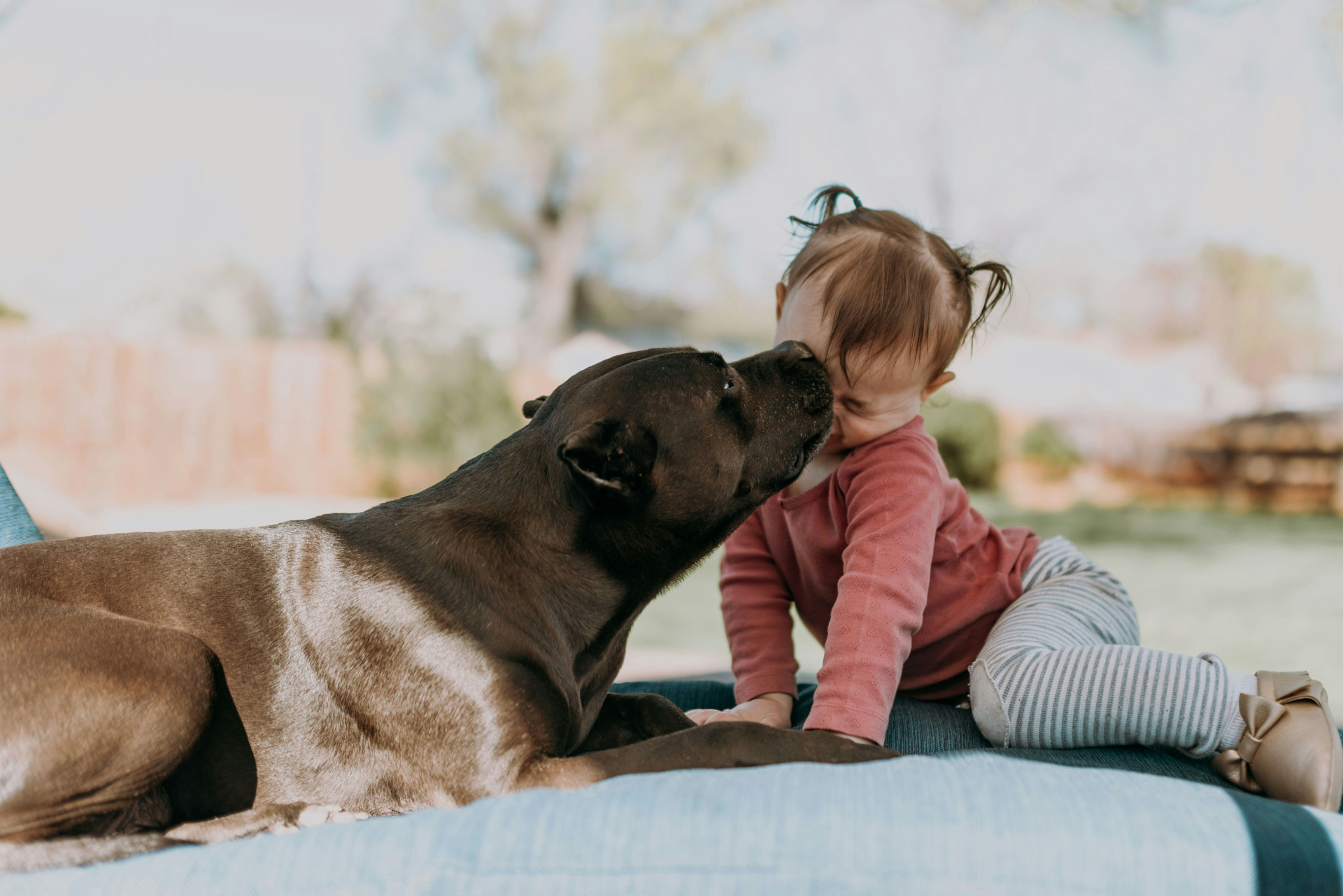
Children often understand the world through relationships, and a pet can become a safe mirror for their emotions. A dog wagging its tail when the child comes home or a cat curling up beside them gives the child a sense of being valued. At the same time, the child learns that animals—like people—have needs, boundaries, and moods.
When children see that pets respond to gentleness, patience, and calm voices, it becomes easier to talk about how our actions affect others. These moments can naturally lead to discussions about what it means to show care, comfort someone, or give them space.
Responsibility as an Expression of Love
Having a pet isn’t just about playtime and cuddles. It also involves responsibility—feeding, walking, cleaning, and vet visits. For children, this can be an important lesson that love is not only a feeling but also a set of actions.
Parents can include children in daily routines: filling the food bowl, brushing the fur, or joining in on walks. This helps children feel that their efforts matter and teaches them that caring for someone requires consistency—even on days when they don’t feel like it.
When a Pet Becomes Part of the Family
Many children form deep bonds with family pets. These animals become part of everyday life, and the relationship can resemble a friendship. This creates opportunities to talk about loyalty, trust, and respect—values that are just as important in human relationships.
When a pet becomes ill or passes away, it may be a child’s first experience with loss. Although painful, it can also be a valuable lesson. Talking openly about grief, remembering the pet, and allowing space for emotions helps children understand that love and sorrow are connected. It’s an important step in developing emotional maturity.
Conversations That Strengthen Connection
Pets can spark meaningful conversations that might otherwise be difficult to start. When a child asks why the cat hides or why the dog is afraid of thunder, it can lead to discussions about fear, safety, and trust.
Parents can use these moments to put words to feelings and show that it’s okay to be sad, scared, or tired. In this way, the pet becomes a bridge between the child’s experiences and the parent’s support.
A Family Project
A pet can bring the whole family together through shared tasks and experiences—walks around the neighborhood, playtime in the yard, or simply sitting together while petting the animal. These moments create calm and connection, reminding children that love is also found in small, everyday actions.
When everyone in the family takes part in caring for the pet, children learn that compassion is something we share. It strengthens the sense of belonging and shows that everyone contributes in their own way.
Love That Grows With Experience
Growing up with a pet is more than a childhood memory—it’s a life lesson. Children who learn to care for animals often develop a deeper sense of empathy and respect for nature. They discover that love isn’t just something you feel; it’s something you show through patience, responsibility, and kindness.
By talking to children about love and care through pets, we give them tools to understand themselves and others—and to carry those values with them throughout their lives.