Save Energy by Adjusting the Heat in Your Home’s Rooms

Save Energy by Adjusting the Heat in Your Home’s Rooms
As temperatures drop and the heating kicks on, comfort often comes with a higher energy bill. But with a few smart adjustments, you can stay warm without wasting energy or money. One of the simplest and most effective ways to save energy is to tailor the temperature in each room based on how it’s used. Here’s how to create a comfortable home while keeping your energy use in check.
Know What Each Room Needs
Not every room in your home needs to be the same temperature. By thinking about where you spend the most time and where you only pass through, you can heat your home more efficiently.
- Living room and family areas: These are the spaces where you spend the most time, so aim for around 68–70°F. This range offers a good balance between comfort and energy savings.
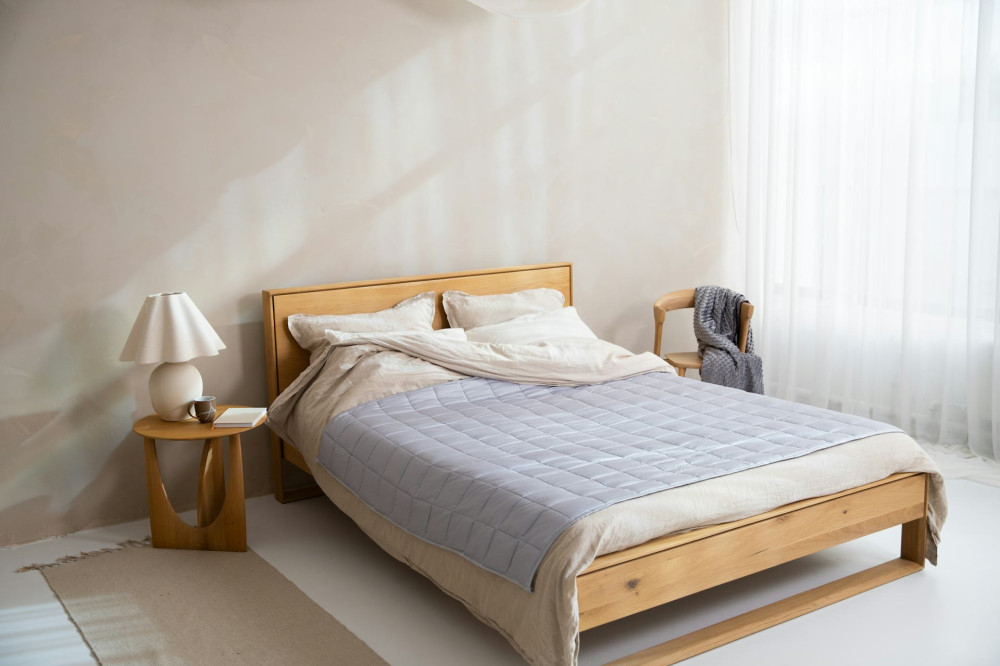
- Bedrooms: Most people sleep better in cooler air. Setting the thermostat to about 62–65°F at night can improve sleep quality and reduce heating costs.
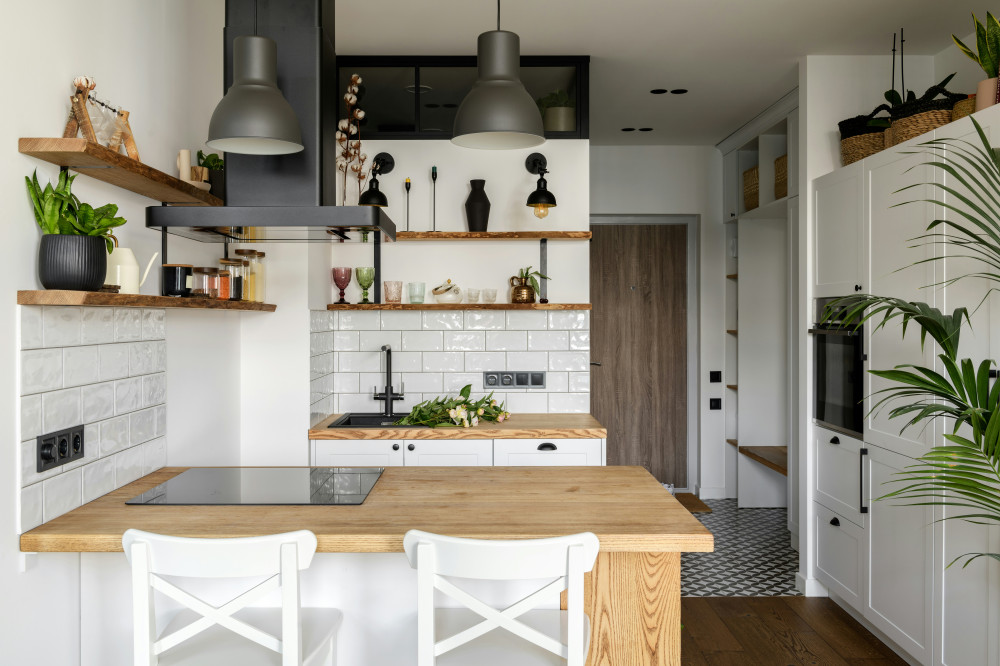
- Kitchen: Cooking adds extra warmth, so 66–68°F is usually enough.
- Bathroom: A warm bathroom feels great, especially on cold mornings. Around 72–74°F is comfortable, but you can lower it when not in use.
- Hallways and utility rooms: These areas don’t need to be as warm. Keeping them around 60–64°F is typically sufficient.
By adjusting temperatures room by room, you can cut your heating energy use by several percent without sacrificing comfort.
Use Your Thermostats Wisely
Many households leave thermostats set at one temperature all winter long. But modern thermostats make it easy to fine-tune your heating for better efficiency.
- Set thermostats accurately: Even a small change makes a difference. Lowering the temperature by just 1°F can reduce heating costs by up to 3%.
- Keep vents and radiators clear: Furniture, curtains, or rugs blocking heat sources make your system work harder.
- Consider smart thermostats: Programmable or app-controlled thermostats can automatically lower the temperature when you’re away and warm things up before you return.
Turn Down the Heat When You’re Away
There’s no need to heat an empty house. Lowering the temperature by 5–8°F while you’re at work or asleep can lead to noticeable savings.
A good rule of thumb is to keep your home at least 55°F to prevent pipes from freezing. For vacation homes or rooms you rarely use, you can go lower—but make sure there’s still enough warmth to protect plumbing and prevent moisture buildup.
Make the Most of the Heat You Have
Small daily habits can make your heating system work more efficiently.
- Ventilate briefly but effectively: Open windows wide for 5–10 minutes to refresh the air without cooling walls and furniture.
- Close doors between warm and cool rooms: This helps maintain stable temperatures and prevents heat loss.
- Check insulation and weatherstripping: Drafts around windows, doors, and pipes can waste a lot of energy. Sealing leaks is a quick, inexpensive fix.
- Use curtains and blinds strategically: Open them during the day to let in sunlight and close them at night to keep the warmth inside.
Find the Right Balance
Saving energy doesn’t mean you have to be cold—it’s about using heat wisely. By adjusting temperatures based on how each room is used and your daily routine, you can stay comfortable while cutting your heating costs by up to 15–20%.
It’s a simple way to invest in comfort, lower your utility bills, and reduce your environmental impact—all while keeping your home cozy through the winter.