Plan Your Home with a Focus on Ventilation and Good Air Quality from the Start

Plan Your Home with a Focus on Ventilation and Good Air Quality from the Start
When building a new home or remodeling, it’s easy to get caught up in choosing finishes, flooring, and paint colors. But one of the most important—and often overlooked—elements of a healthy home is ventilation. Good air quality isn’t just about comfort; it’s about health, energy efficiency, and the long-term durability of your home. By planning for ventilation from the very beginning, you can create a living space that feels fresh, functions efficiently, and supports your well-being for years to come.
Why Ventilation Matters
Modern homes are built tighter than ever to save energy. High-performance windows, insulation, and air sealing keep conditioned air inside—but they also trap moisture, carbon dioxide, and airborne pollutants. Without proper ventilation, indoor air can quickly become stale, and excess humidity can lead to mold growth and unpleasant odors.
A well-designed ventilation system removes stale air and brings in fresh air in a controlled way. This helps reduce allergens, moisture, and pollutants while maintaining a comfortable indoor climate year-round. Many modern systems also include heat recovery, which captures warmth from outgoing air to preheat incoming air—improving efficiency and lowering energy bills.
Plan Ventilation Early in the Process
Ventilation should never be an afterthought. When designing your home, consider which type of system best fits your needs, climate, and building style.
- Mechanical ventilation with heat recovery (HRV or ERV) is the most effective solution for new, airtight homes. These systems automatically exchange indoor and outdoor air while recovering heat (and sometimes humidity) from the outgoing air.
- Natural ventilation—through operable windows, vents, and cross-breezes—can work well in older or less airtight homes, but it requires active management to ensure adequate airflow.
- Hybrid systems combine mechanical and natural ventilation, offering flexibility for renovations or mixed climates.
By integrating ventilation design early, you can hide ductwork, optimize vent placement, and ensure the system complements your home’s architecture and layout.
Air Quality Is Also About Materials and Habits
Even the best ventilation system can’t make up for poor material choices or unhealthy habits. Choose building materials, paints, and furnishings with low emissions—look for certifications such as GREENGUARD Gold or low-VOC labels. Avoid unnecessary use of scented candles, aerosol sprays, and harsh cleaning products that release volatile organic compounds (VOCs).
Daily habits matter too: use exhaust fans when cooking or showering, dry clothes outdoors when possible, and keep vents and air returns unobstructed. Small, consistent actions can make a big difference in maintaining clean indoor air.
Balancing Energy Efficiency and Comfort
A modern ventilation system is an investment that pays off over time. Heat recovery systems can reclaim up to 80–90% of the heat from outgoing air, reducing heating costs while maintaining comfort. High-quality filters also help keep pollen, dust, and outdoor pollutants out—especially beneficial for allergy sufferers.
Many systems now include smart controls and sensors that monitor humidity and CO₂ levels, automatically adjusting airflow as needed. This ensures optimal comfort and efficiency without constant manual adjustments.
Think Holistically—from Basement to Attic
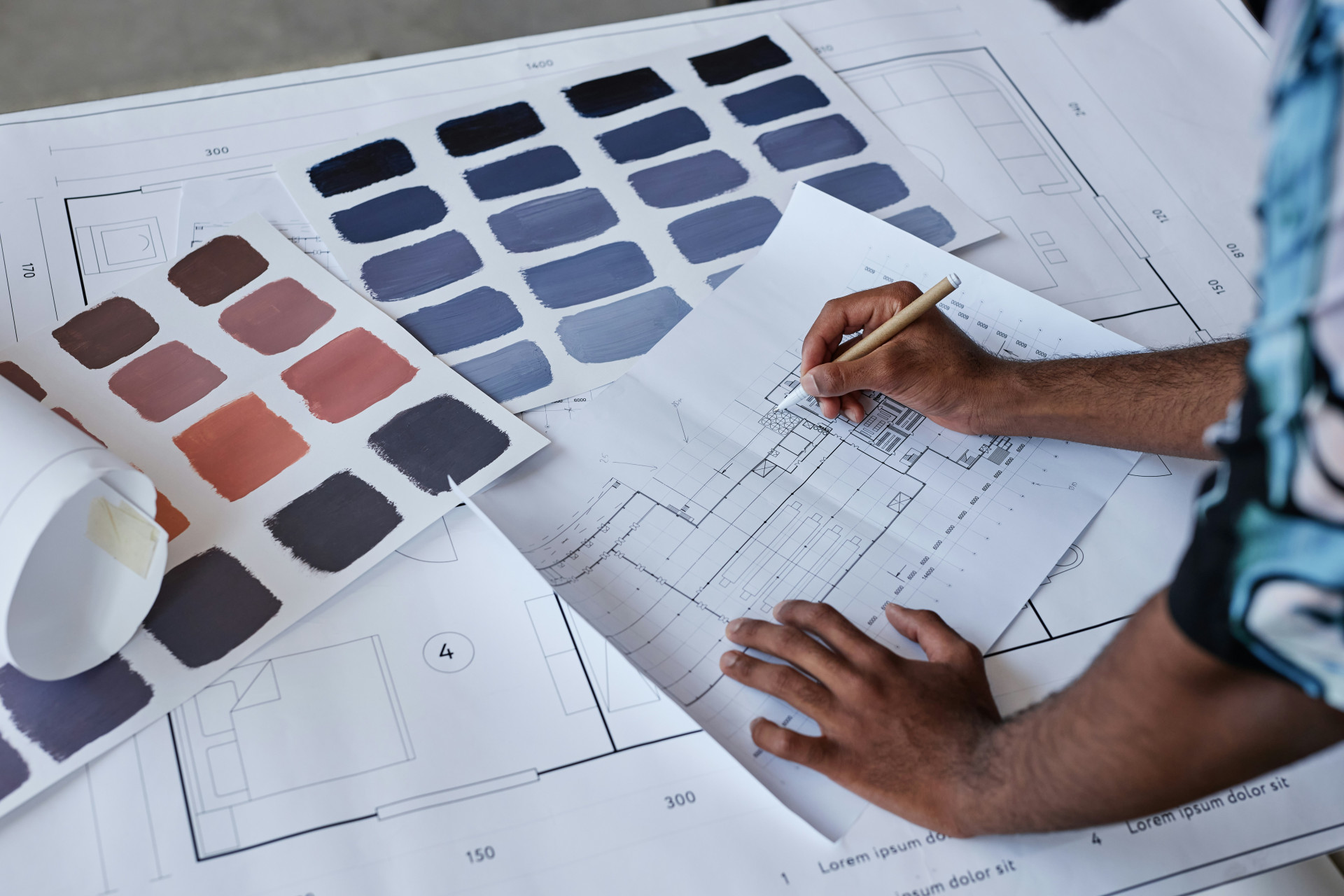
Ventilation is part of a bigger picture. A healthy indoor environment depends on the interaction between insulation, heating and cooling, moisture control, and material choices. That’s why it’s important to involve your architect, builder, and HVAC professionals early in the planning process.
Consider how air moves through your home—from living areas to bathrooms and kitchens. A well-thought-out airflow pattern ensures that fresh air circulates where it’s needed and that moisture and odors are effectively removed.
A Healthy Home Starts with Fresh Air
Good indoor air quality isn’t something you can simply add later—it needs to be built in from the start. By prioritizing ventilation and air quality early in your home project, you’re creating a space that’s comfortable, energy-efficient, and healthy for everyone who lives there.
Fresh air is the foundation of well-being. When you design your home with that in mind, you’re not just investing in walls and systems—you’re investing in quality of life.