How to Restore Shine and Health to Your Pet’s Coat

How to Restore Shine and Health to Your Pet’s Coat
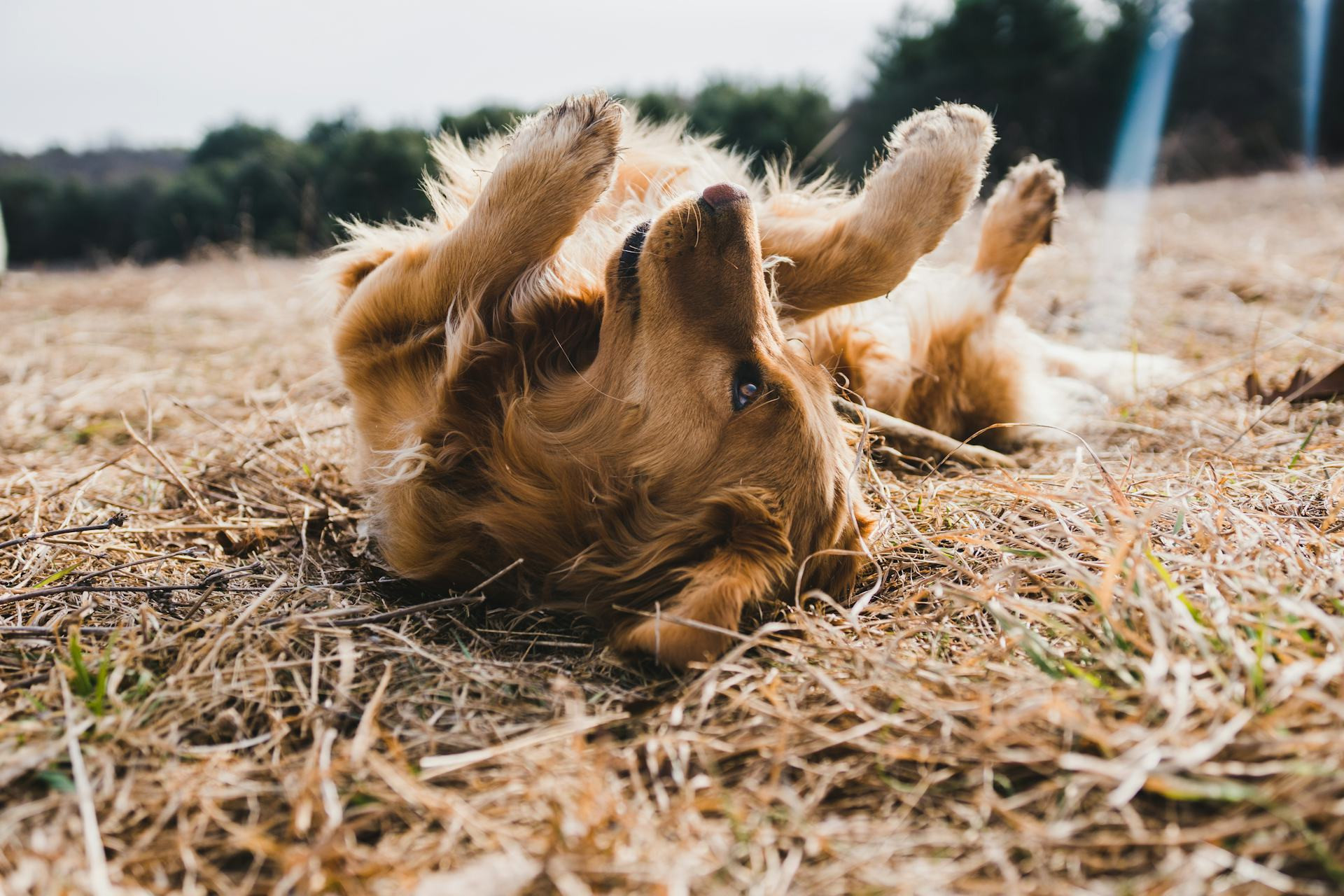
A shiny, healthy coat isn’t just about looks—it’s a reflection of your pet’s overall well-being. Whether you share your home with a dog, cat, or rabbit, their coat can tell you a lot about their diet, health, and care routine. If your pet’s fur has become dull, greasy, or thin, it may be time to make a few adjustments. Here’s a guide to help you bring back that healthy glow.
Start with Nutrition – Health from the Inside Out
A beautiful coat begins with proper nutrition. Just like humans, pets need the right nutrients to maintain healthy skin and hair.
- Protein is the foundation of fur and hair. Make sure your pet’s food contains high-quality protein from sources like chicken, fish, or beef.
- Omega-3 and omega-6 fatty acids are essential for a glossy coat and healthy skin. These can be found in fish oil, flaxseed, and certain plant oils. Many veterinarians in the U.S. recommend adding a fish oil supplement, especially during the dry winter months.
- Vitamins and minerals such as zinc, biotin, and vitamin E support coat strength and growth. A balanced commercial pet food usually provides these, but if your pet’s coat looks lackluster, your vet may suggest a supplement.
If you’re unsure whether your pet’s diet is meeting their needs, talk to your veterinarian or a pet nutrition specialist. Sometimes, simply switching to a higher-quality food can make a noticeable difference.
Regular Grooming Matters
Even the best diet can’t do it all—consistent grooming is key. How often you brush depends on your pet’s species and coat type.
- Long-haired breeds need daily brushing to prevent tangles and mats.
- Short-haired pets benefit from weekly brushing to remove loose hair and stimulate the skin’s natural oil production.
- Cats often groom themselves, but older or overweight cats may need help reaching certain areas.
Use the right brush for your pet’s coat: a wide-toothed comb for long fur, or a rubber brush or grooming mitt for short coats. Be gentle—brushing too hard can irritate the skin.
Bathe with Care
Bathing can refresh your pet’s coat, but too many baths can strip away natural oils and dry out the skin. Always use a pet-safe shampoo, as human shampoos have a different pH balance and can cause irritation.
- Bathe only when necessary—such as after your pet gets dirty or starts to smell.
- Rinse thoroughly to remove all shampoo residue.
- Dry the coat completely, especially for long-haired pets, to prevent moisture-related skin issues.
After bathing, a gentle brushing helps distribute natural oils and adds extra shine.
Watch for Skin and Behavior Changes
A dull or thinning coat can sometimes signal an underlying health issue. Itching, dandruff, red spots, or excessive shedding may point to allergies, parasites, or hormonal imbalances.
If you notice changes in your pet’s coat or behavior—like constant scratching, licking, or patchy hair loss—schedule a vet visit. Early detection can prevent more serious problems.
Environment and Well-Being Matter Too
Stress and boredom can affect your pet’s coat just as much as diet and grooming. Pets that don’t get enough exercise, mental stimulation, or rest may start overgrooming or biting their fur.
Create a calm, enriching environment:
- Provide daily exercise and playtime.
- Keep a consistent routine and peaceful surroundings.
- Offer a comfortable, clean place to rest.
A happy, relaxed pet is more likely to have a healthy, shiny coat.
Patience and Consistency Pay Off
Restoring your pet’s coat takes time and regular care. With a balanced diet, proper grooming, and attention to their overall well-being, you’ll start to see improvement within a few weeks. More importantly, your pet will feel better, too.
A healthy coat is a reflection of a healthy pet. With a little patience and love, you can help your furry friend look and feel their best.