Fruit bushes at a glance


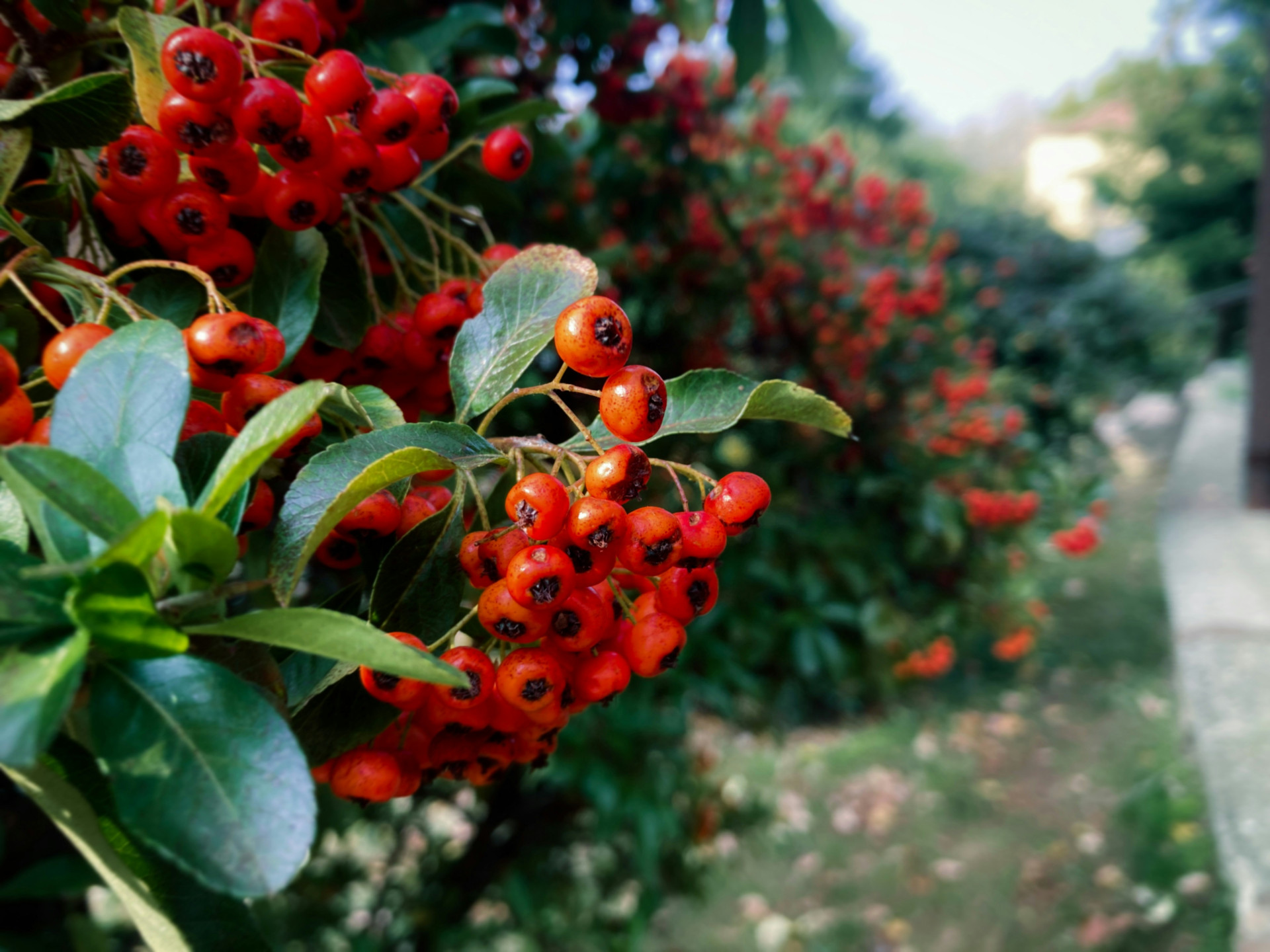
Fruit bushes at a glance
Fruit bushes are an easy and decorative way to bring life, colour and flavour into the garden. Whether you dream of sweet strawberries, juicy currants or aromatic blueberries, there is a fruit bush to suit both small and large gardens. They generally require less care than fruit trees and can provide a rich yield for many years if planted and maintained correctly.
In this article, you’ll get an overview of what you should know before choosing fruit bushes for your garden – from practical considerations to differences between types and brands.
The article presents a wide selection of fruit bushes, illustrating the many options available on the market. The aim is to provide an informative overview of characteristics, growing conditions and uses, so you can more easily find the varieties that suit your garden and preferences. The information is based on publicly available descriptions from manufacturers and retailers and is summarised to provide a clear and neutral overview.
Factors to consider when buying a fruit bush
When choosing fruit bushes, it’s important to consider location, soil type and maintenance. Here are some of the most important factors to keep in mind.
1. Light conditions and placement
Most fruit bushes thrive best in full sun, where they get the most energy to produce flowers and fruit. Some varieties, such as blackcurrants and redcurrants, can do well in partial shade. Also consider wind conditions – shelter improves pollination and protects against drying out.
2. Soil type and drainage
A well-drained, nutrient-rich soil is ideal for most fruit bushes. Acid-loving plants such as blueberries require more acidic soil (low pH), while raspberries thrive best in light, moist soil. Poor drainage can lead to rot and weakened growth, so make sure to improve the soil if necessary.
3. Pollination and yield
Some fruit bushes are self-pollinating, while others require a partner to produce fruit. For example, many blueberry varieties yield better if you plant several different varieties close together. Always check the manufacturer’s recommendations for pollination.
4. Maintenance and pruning
Regular pruning ensures that the bush remains healthy and productive. Remove old branches and dead wood to make room for new shoots. Some varieties require more pruning than others, so choose a type that suits your time and experience.
5. Harvest season and use
Consider when you want to harvest. Some bushes produce early berries in June, while others don’t ripen until late summer. It can be beneficial to combine several types to extend the season. Also think about whether the berries are mainly to be eaten fresh, frozen or used for juice and jam.
Products in focus
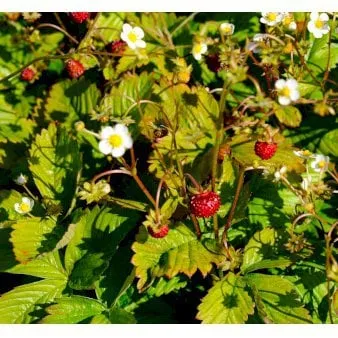
Wild strawberry (Fragaria vesca) is a perennial plant that grows low and forms dense clumps with runners that quickly spread and cover the ground. It thrives best in light to partial shade on moisture-retaining garden soil and requires only limited maintenance once established.
The plant grows to about 10–20 cm tall and has green, serrated leaves. In May–June, it blooms with small white flowers, which later develop into red, aromatic berries. Under favourable conditions, an additional flowering and fruiting may occur later in the summer.
Wild strawberry is suitable as ground cover in beds, under shrubs, or as a border plant in the kitchen garden. It is also a host plant for the butterfly Grizzled Skipper and thus contributes to biodiversity in the garden.
- Low-growing ground cover: Forms dense clumps and spreads with runners.
- Edible berries: Small, red, and aromatic fruits in the summer months.
- Flowering: White flowers in May–June, with the possibility of additional flowering later in the season.
- Placement: Thrives in sun to partial shade on moisture-retaining soil.
- Native species: Contributes to a natural and insect-friendly garden environment.
Pros and cons
- Easy to grow and undemanding plant
- Covers the ground effectively and suppresses weeds
- Produces edible berries
- Attracts pollinators and butterflies
- Can spread quickly and therefore requires some control in small beds
- The berries are small and ripen over an extended period
Pros and cons
Pros
- Easy to grow and undemanding plant
- Covers the ground effectively and suppresses weeds
- Produces edible berries
- Attracts pollinators and butterflies
Cons
- Can spread quickly and therefore requires some control in small beds
- The berries are small and ripen over an extended period
Pros
- Easy to grow and undemanding plant
- Covers the ground effectively and suppresses weeds
- Produces edible berries
- Attracts pollinators and butterflies
Cons
- Can spread quickly and therefore requires some control in small beds
- The berries are small and ripen over an extended period
Specifications
- Botanical name: Fragaria vesca
- Height: 10–20 cm
- Width: 20–40 cm
- Plant density: 7–9 plants per m²
- Plant spacing: approx. 30 cm
- Flowering period: May–June (possibly again later in the summer)
- Flower colour: White
- Fruit colour: Red
- Leaf colour: Green
- Growth form: Ground-covering, clump-forming with runners
- Placement: Sun / partial shade
- Growing conditions: Moisture-retaining garden soil
- Hardiness: Fully hardy
- Use: Ground cover, border plant, containers
- Ripening time: June–August
Product descriptions
Wild strawberry (Fragaria vesca) is a perennial plant that grows low and forms dense clumps with runners that quickly spread and cover the ground. It thrives best in light to partial shade on moisture-retaining garden soil and requires only limited maintenance once established.
The plant grows to about 10–20 cm tall and has green, serrated leaves. In May–June, it blooms with small white flowers, which later develop into red, aromatic berries. Under favourable conditions, an additional flowering and fruiting may occur later in the summer.
Wild strawberry is suitable as ground cover in beds, under shrubs, or as a border plant in the kitchen garden. It is also a host plant for the butterfly Grizzled Skipper and thus contributes to biodiversity in the garden.
- Low-growing ground cover: Forms dense clumps and spreads with runners.
- Edible berries: Small, red, and aromatic fruits in the summer months.
- Flowering: White flowers in May–June, with the possibility of additional flowering later in the season.
- Placement: Thrives in sun to partial shade on moisture-retaining soil.
- Native species: Contributes to a natural and insect-friendly garden environment.
Pros and cons
- Easy to grow and undemanding plant
- Covers the ground effectively and suppresses weeds
- Produces edible berries
- Attracts pollinators and butterflies
- Can spread quickly and therefore requires some control in small beds
- The berries are small and ripen over an extended period
Pros and cons
Pros
- Easy to grow and undemanding plant
- Covers the ground effectively and suppresses weeds
- Produces edible berries
- Attracts pollinators and butterflies
Cons
- Can spread quickly and therefore requires some control in small beds
- The berries are small and ripen over an extended period
Pros
- Easy to grow and undemanding plant
- Covers the ground effectively and suppresses weeds
- Produces edible berries
- Attracts pollinators and butterflies
Cons
- Can spread quickly and therefore requires some control in small beds
- The berries are small and ripen over an extended period
Specifications
- Botanical name: Fragaria vesca
- Height: 10–20 cm
- Width: 20–40 cm
- Plant density: 7–9 plants per m²
- Plant spacing: approx. 30 cm
- Flowering period: May–June (possibly again later in the summer)
- Flower colour: White
- Fruit colour: Red
- Leaf colour: Green
- Growth form: Ground-covering, clump-forming with runners
- Placement: Sun / partial shade
- Growing conditions: Moisture-retaining garden soil
- Hardiness: Fully hardy
- Use: Ground cover, border plant, containers
- Ripening time: June–August
Different types of fruit bushes
There are many types of fruit bushes, varying in taste, appearance and growing requirements. Here are some of the most popular categories.
1. Berry bushes
Berry bushes such as redcurrants, blackcurrants, gooseberries and raspberries are classics in British gardens. They provide a stable yield year after year and can be used both fresh and processed. Raspberries come in both summer and autumn varieties, allowing you to extend the harvest period.
2. Acid-loving bushes
Blueberries and lingonberries belong to the acid-loving plants and require a low pH value in the soil. They thrive well in soil mixed with sphagnum and are ideal for gardens with acidic beds or containers. Blueberry bushes are also decorative with beautiful autumn colours.
3. Ornamental bushes with edible fruit
Bushes such as aronia, sea buckthorn and Japanese quince combine ornamental value with edible berries. They are hardy and can be used as hedges or solitary plants. The berries are often tart but rich in vitamins and suitable for juice and jelly.
4. Exotic and new varieties
With climate change and increasing interest in self-sufficiency, new varieties such as goji berries, honeyberries and Siberian blueberries are becoming more popular. They can add exciting variety to the garden and extend the season for fresh fruit.
Different brands of fruit bushes
The market for fruit bushes includes many producers and nurseries, each with their own focus areas and strengths.
Jespers Planteskole
Jespers Planteskole offers a wide range of fruit bushes, including both traditional and newer varieties. The focus is on quality, hardiness and suitability for Danish growing conditions.
Plantetorvet
Plantetorvet is known for its large online selection and detailed plant guides. Here you can find both common and rarer varieties, often with the option of home delivery.
Lundhede Planteskole
Lundhede specialises in robust plants for the Nordic climate. Their fruit bushes are selected to provide a high yield and require minimal care.
Bilka Garden Centre
Bilka offers a wide range of fruit bushes for both beginners and experienced gardeners. The selection ranges from affordable standard bushes to more exclusive varieties.
Plantorama
Plantorama combines plant sales with advice and inspiration. Their selection of fruit bushes focuses on easy, healthy varieties suitable for both gardens and balconies.
Frequently asked questions
When is the best time to plant fruit bushes?
The best time is spring or autumn, when the soil is moist and the temperature mild. Autumn planting gives the bush time to establish roots before winter.
How quickly do fruit bushes bear fruit?
Most fruit bushes begin to produce fruit after 1–3 years, depending on the variety and growing conditions. Raspberries and currants often yield faster than, for example, blueberries.
Should fruit bushes be fertilised?
Yes, most fruit bushes benefit from annual fertilisation in spring. Use organic fertiliser or compost to promote healthy growth and abundant fruiting.
Can fruit bushes be grown in pots?
Smaller varieties such as blueberries, currants and gooseberries can thrive well in large pots if they get plenty of water and nutrients. Ensure good drainage and suitable soil type.
How should fruit bushes be pruned correctly?
Prune in winter or early spring before growth starts. Remove old and weak branches so the bush gets light and air. This encourages new shoots and better fruiting.