Flexible Patio Design for All Seasons

Flexible Patio Design for All Seasons
A patio doesn’t have to be a space you only enjoy in summer. With thoughtful design and the right materials, it can become a comfortable outdoor living area that works year-round. Whether you’re dealing with blazing sun, chilly winds, or snowy days, a flexible patio design lets you adapt your space to every season. Here’s how to create a patio that’s inviting no matter the weather.
Build a Year-Round Foundation
A durable base is the key to a patio that lasts through all seasons. Choose materials that can handle temperature changes and moisture, such as composite decking, concrete pavers, or pressure-treated wood. Make sure the surface has proper drainage and a slight slope to prevent water from pooling.
If you want to use your patio throughout the year, consider adding a cover. A pergola, retractable awning, or permanent roof structure provides shade in summer and protection from rain or snow in winter. You can also add side panels or outdoor curtains to block wind and create a cozier atmosphere.
Choose Furniture That Adapts
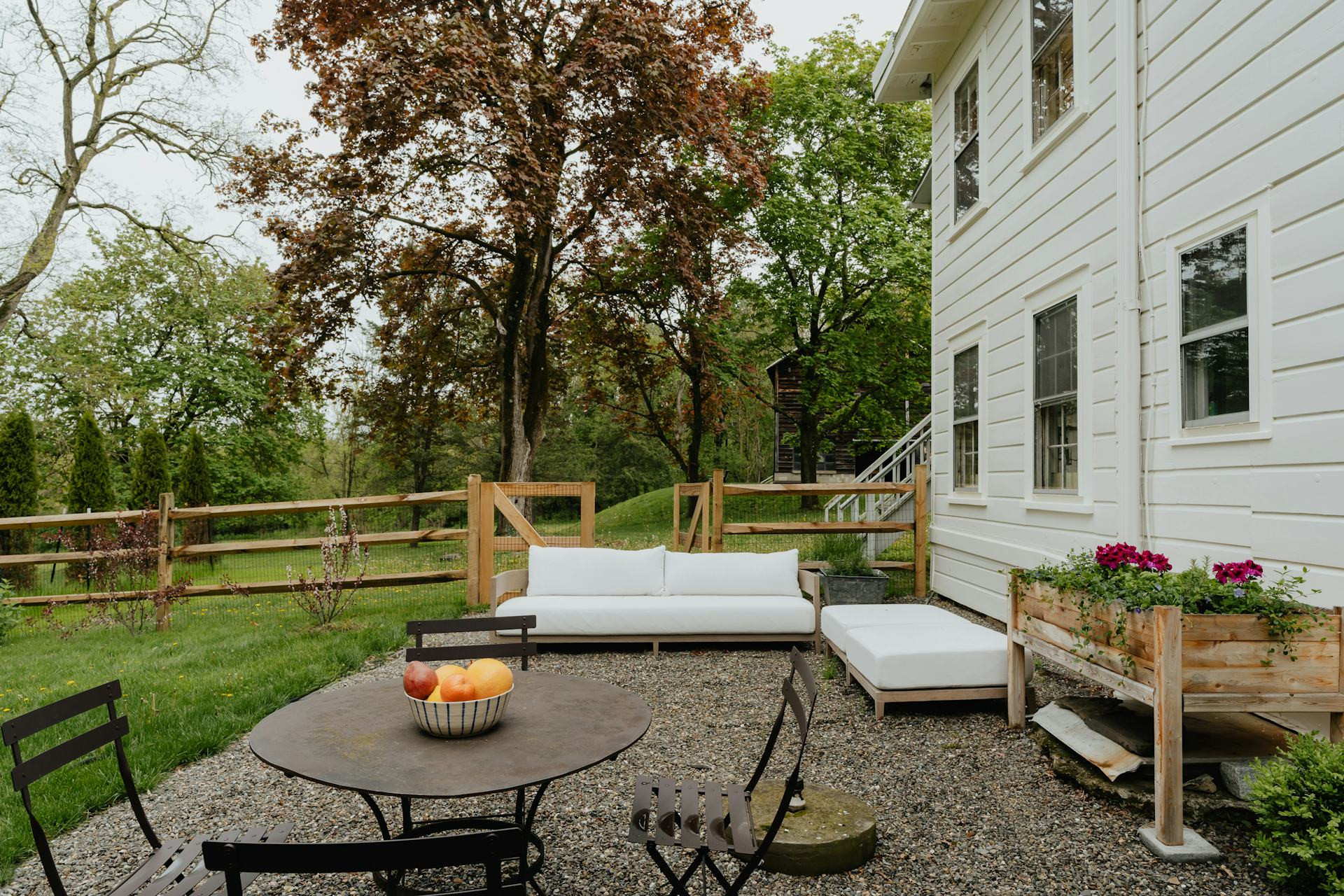
Flexibility starts with furniture. Opt for lightweight, modular pieces that can be rearranged as the seasons change. A sectional sofa made from weather-resistant materials can serve as a lounge area in summer and be reconfigured to make space for heaters or fire pits in cooler months.
Use outdoor cushions and fabrics that resist moisture and fading. When temperatures drop, layer in cozy throws, outdoor rugs, and even faux-fur blankets for warmth. Storage benches or deck boxes make it easy to protect textiles and accessories when not in use.
Light and Heat: The Essentials for Comfort
As days get shorter and temperatures fall, lighting and heating become essential for year-round enjoyment. Patio heaters, fire pits, or tabletop gas fireplaces can extend your outdoor season well into fall and even winter. They add both warmth and ambiance, making your patio a welcoming retreat.
For lighting, mix practical and decorative options. String lights, solar lanterns, and LED path lights create a warm glow, while built-in wall sconces or recessed floor lights provide a more permanent solution. Good lighting not only enhances safety but also sets the mood for evening gatherings.
Keep It Green All Year
Plants bring life and color to your patio, even in the colder months. Combine evergreens, hardy shrubs, and seasonal flowers to ensure your space always feels vibrant. In summer, fill planters with herbs and bright blooms; in winter, switch to ornamental grasses, holly, or potted evergreens.
Use containers of different sizes and materials to add depth and flexibility. If you have the space, a small greenhouse or vertical garden can double as a decorative feature and a windbreak.
Create Zones for Every Purpose
A well-designed patio works best when divided into zones. You might have a dining area near the house, a lounge space for relaxing, and a corner for plants or storage. This layout allows you to use the patio differently depending on the season and your needs.
In summer, the dining area can be the heart of outdoor entertaining, while in fall or winter, the lounge area with a heater or fire pit becomes the perfect spot for cozy evenings.
Connect Indoors and Out
To make your patio feel like a true extension of your home, create a seamless transition between indoor and outdoor spaces. Sliding glass doors or large windows help blur the boundaries, making it easy to step outside even when the weather isn’t ideal.
Use similar colors, materials, or patterns in both areas to tie them together. An outdoor rug, matching cushions, or coordinated lighting can make the patio feel like a natural continuation of your living room.
A Patio That Evolves with the Seasons
Designing a flexible patio isn’t about doing everything at once—it’s about creating a space that can evolve. With small adjustments—like swapping out textiles, adding heat sources, or refreshing your plants—you can transform your patio from a summer retreat to a winter haven in no time.
By planning with the seasons in mind, you’ll have an outdoor space that stays functional and inviting all year long—from the first spring sunshine to the crisp winter nights.