Energy Management That Extends the Lifespan of Your Electrical Appliances

Energy Management That Extends the Lifespan of Your Electrical Appliances
Most Americans think of energy management as a way to lower utility bills and reduce environmental impact. But smart energy use also helps protect the appliances you already own. By managing electricity wisely, avoiding overloads, and creating the right conditions for your devices, you can significantly extend their lifespan—saving money and reducing waste in the process.
Here’s a practical guide to help you make your appliances last longer through better energy management.
Avoid Overloads and Power Surges
Electrical appliances are sensitive to fluctuations in power supply. Sudden voltage spikes—caused by lightning, grid issues, or large appliances turning on—can wear down internal components.
- Use surge protectors: Plug sensitive electronics like TVs, computers, and gaming consoles into surge-protected power strips. They can prevent damage from unexpected power surges.
- Distribute the load: Avoid running too many high-power devices on the same circuit. Spread them out across outlets and turn off what you’re not using.
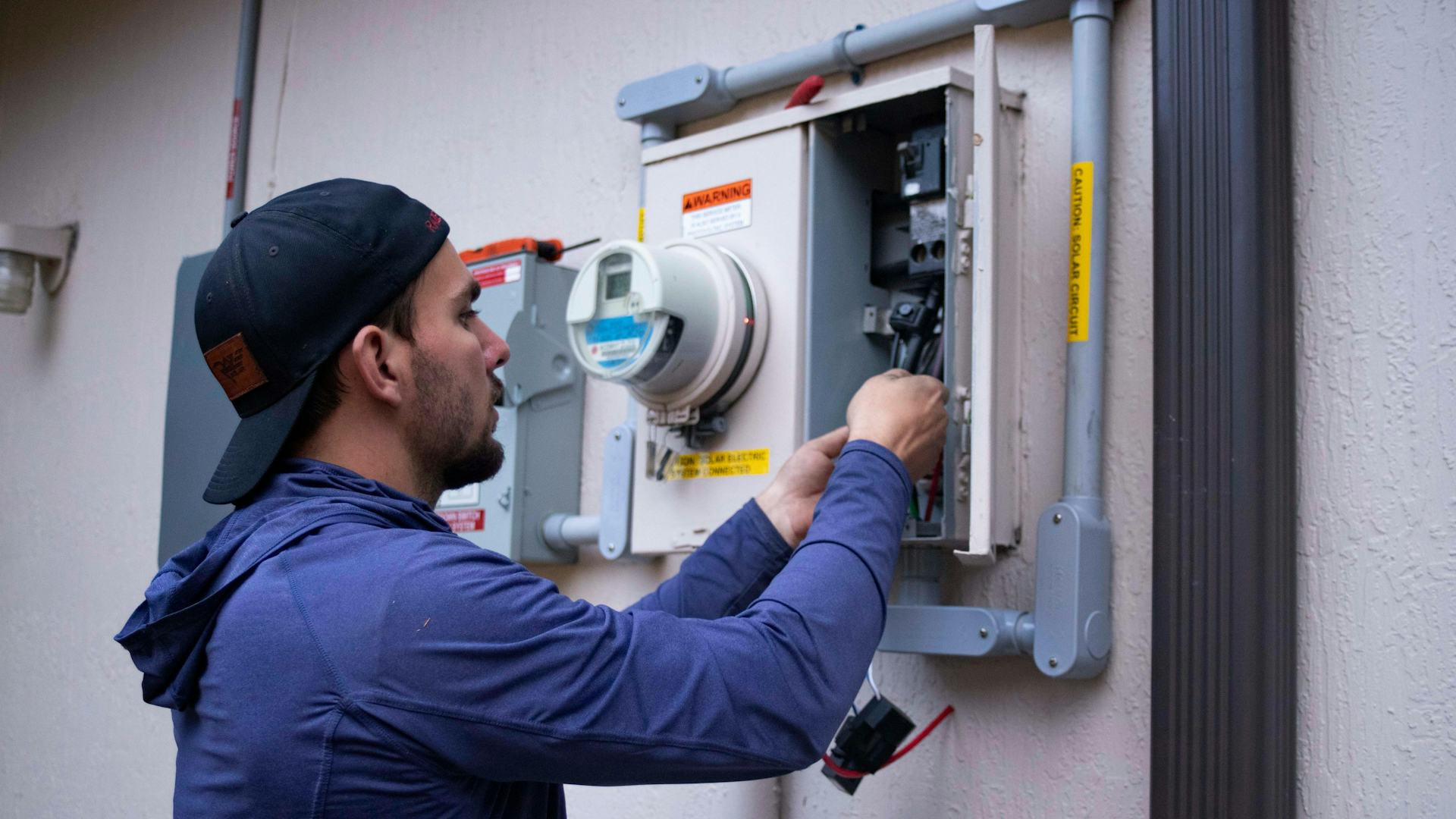
- Check your wiring: In older homes, outdated wiring can cause unstable voltage. Have a licensed electrician inspect your system if you notice flickering lights or frequent breaker trips.
Power Off Completely—Don’t Rely on Standby
Many devices draw electricity even when they appear to be off. TVs, routers, chargers, and computers often stay in standby mode, keeping components under constant electrical stress.
Turning appliances off completely when not in use reduces wear and saves energy.
Consider using smart plugs or timers that automatically cut power to devices overnight or while you’re away. It’s a simple way to protect your electronics and lower your energy bill.
Keep Appliances Cool and Well-Ventilated
Overheating is one of the most common reasons appliances fail early. When heat can’t escape, internal parts degrade faster.
- Make sure ventilation openings on refrigerators, computers, and routers aren’t blocked.
- Vacuum behind and under appliances regularly to remove dust that can trap heat.
- Keep electronics away from heat sources like radiators, ovens, or direct sunlight.
A well-ventilated appliance runs more efficiently and lasts longer.
Use Appliances the Right Way
Improper use is a major cause of premature wear. Following manufacturer guidelines can make a big difference.
- Load washing machines properly—not too full and not too empty. Overloading strains the motor, while underloading wastes energy.
- Clean filters and descale regularly on dishwashers, coffee makers, and kettles. Mineral buildup forces appliances to work harder and shortens their lifespan.
- Read the manual: It may sound obvious, but many breakdowns happen because devices are used in ways they weren’t designed for.
Consider Smart Energy Management
Modern smart home systems can help you monitor and optimize your household energy use. With a smart energy management system, you can:
- Track which appliances consume the most power.
- Schedule when devices run—for example, running the dishwasher at night when electricity rates are lower.
- Receive alerts if an appliance starts using more energy than usual, which could signal a malfunction.
While it requires a small investment, smart energy management can extend appliance life and give you better control over your home’s energy use.
Maintenance Pays Off
A well-maintained appliance is a long-lasting one. Regular cleaning, descaling, and inspection of cords and plugs can prevent many issues before they start.
Create a simple maintenance checklist:
- Note when filters, bulbs, or batteries need replacement.
- Record service or cleaning dates.
- Watch for unusual noises, heat, or smells—these can be early signs of trouble.
Small habits can make a big difference in safety, performance, and longevity.
A Greener, More Affordable Home
Taking care of your appliances is good for both your wallet and the planet. Every extra year an appliance lasts means less electronic waste and fewer resources used to manufacture replacements.
Energy management isn’t just about saving electricity—it’s about mindful ownership. By protecting the devices you already have, you save money, reduce waste, and contribute to a more sustainable future.