Drain Pipes: The Most Common Materials, Their Advantages and Disadvantages

Drain Pipes: The Most Common Materials, Their Advantages and Disadvantages
A well-designed drainage system is essential for protecting homes, roads, and farmland from excess water. Drain pipes carry water away from the soil, preventing moisture problems in foundations, basements, and landscapes. But which material should you choose when installing or replacing drain pipes? The choice affects durability, cost, and maintenance. Here’s an overview of the most common materials used in the United States—and their pros and cons.
PVC – The Classic Choice
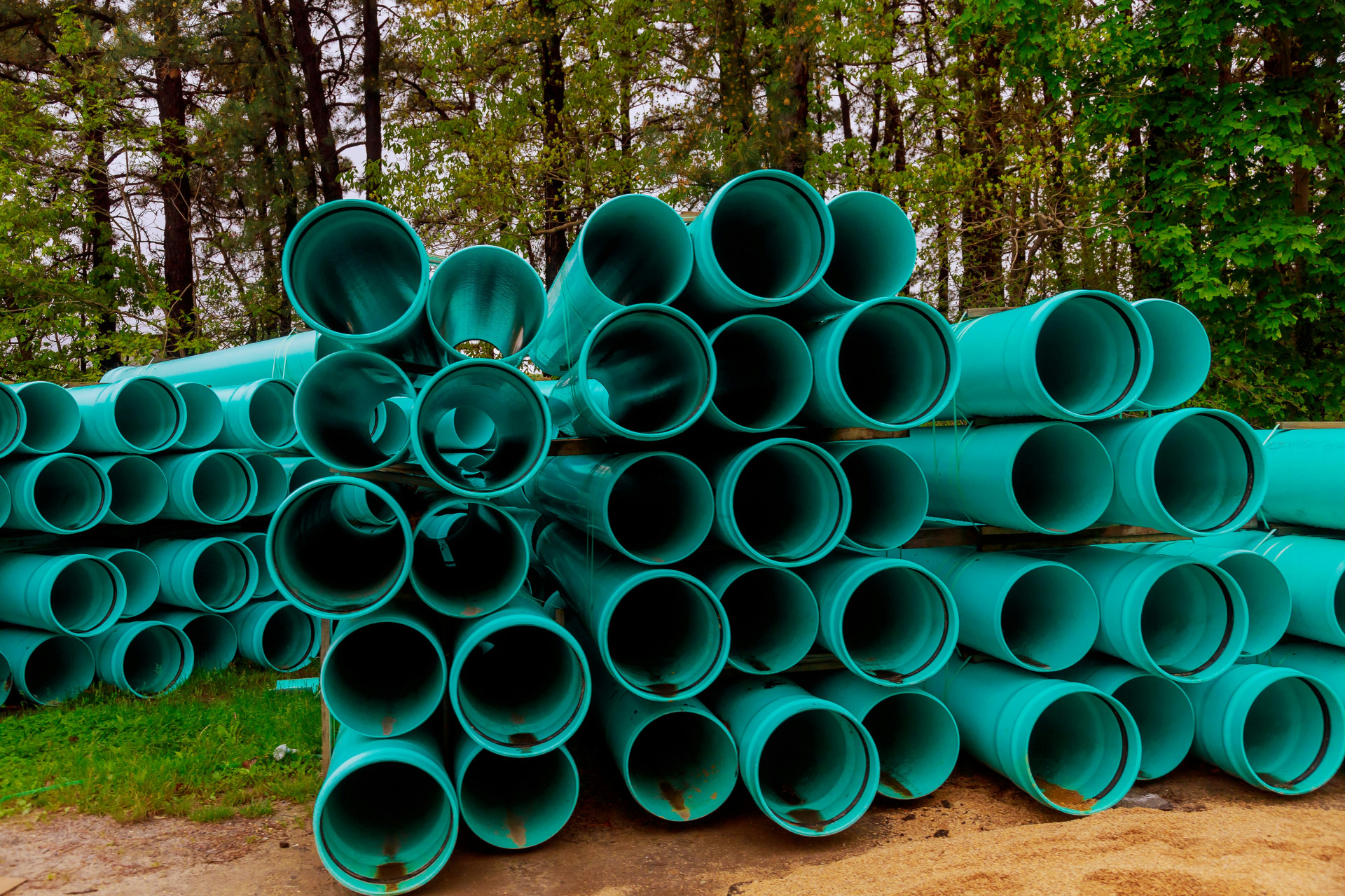
PVC (polyvinyl chloride) has long been the most widely used material for residential and commercial drainage systems in the U.S. It’s lightweight, affordable, and easy to work with, making it a go-to option for contractors and homeowners alike.
Advantages:
- Easy to cut, handle, and install.
- Resistant to most soil chemicals and corrosion.
- Smooth interior surface allows efficient water flow.
- Long lifespan—often 50 years or more under normal conditions.
Disadvantages:
- Can become brittle over time, especially when exposed to sunlight or extreme cold.
- Not the most environmentally friendly option, as it’s petroleum-based and difficult to recycle.
- Less flexible than some newer plastics, which can be a drawback in uneven terrain.
PVC remains a reliable and cost-effective choice for most residential drainage projects, though many are now turning to more sustainable alternatives.
HDPE (High-Density Polyethylene) – Flexibility and Strength
HDPE pipes have become increasingly popular in modern drainage systems across the U.S. The material is more flexible than PVC and can withstand ground movement without cracking, making it ideal for areas with freeze-thaw cycles or shifting soils.
Advantages:
- High impact resistance and flexibility—excellent for areas prone to soil movement or frost.
- Excellent chemical resistance and long service life.
- Available in both smooth and corrugated forms for different applications.
- Recyclable and more environmentally friendly than PVC.
Disadvantages:
- Slightly more expensive than PVC.
- Requires careful joining to ensure watertight connections.
- Can deform if exposed to high temperatures during installation.
HDPE is a great choice for those seeking a durable, flexible, and eco-conscious solution that performs well in challenging soil conditions.
Clay Tile – The Traditional but Durable Option
Before plastics became common, drain pipes were typically made from fired clay. Many older farms and properties in the U.S. Midwest still have functioning clay tile systems that were installed decades ago.
Advantages:
- Extremely long lifespan—often over 100 years if properly installed.
- Made from natural materials with no chemical additives.
- Resistant to compression and soil pressure.
Disadvantages:
- Heavy and brittle—can crack during handling or under heavy loads.
- Difficult to seal tightly, which can allow soil infiltration.
- Not flexible, requiring precise installation.
- More labor-intensive and costly to install.
Clay tile drains are rarely used in new installations today but remain relevant for restoration projects or for those seeking a completely natural material.
Concrete Pipes – For Heavy-Duty Applications
Concrete pipes are not typically used for residential drainage but are common in large-scale infrastructure projects such as storm sewers, culverts, and highway drainage systems.
Advantages:
- Extremely strong and resistant to heavy loads.
- Long-lasting and stable once installed.
- Suitable for large diameters and high water volumes.
Disadvantages:
- Very heavy—requires machinery for transport and installation.
- Rigid and can crack if the ground shifts.
- More expensive to install than plastic alternatives.
Concrete pipes are best suited for large public works or commercial projects where strength and capacity are more important than flexibility.
Which Material Should You Choose?
The right choice depends on your project’s purpose, soil conditions, and budget. For most residential and landscaping applications, PVC and HDPE are the most practical and widely available options.
- Choose PVC if you want a proven, affordable solution that’s easy to install.
- Choose HDPE if you value flexibility, environmental performance, and long-term durability.
- Consider clay or concrete only for specialized or restoration projects.
No matter which material you select, proper installation and maintenance are key to ensuring your drainage system performs effectively for decades to come.